Waxing Schedule for Athletes: How Often to Wax
Training hard is only half the job. The other half is looking after the skin underneath the gear. A solid waxing schedule for athletes keeps you smooth, cuts down on chafe, and saves you from awkward mid-race itching. Here’s how to actually plan it.
What Is a Waxing Schedule For Athletes?
A waxing schedule is just a plan for when you get waxed, built around your hair growth and your training calendar. Most men rebook every 4 to 6 weeks, following the 4-6 weeks rule that most grooming pros stick to. For athletes, though, the calendar matters more. You’re timing sessions around races, rest days, and recovery weeks, not just when hair grows back.
Benefits of Waxing for Athletes
Many athletes remove unwanted hair for one simple reason: it works better than shaving. Waxing removes hair from the root, so it grows back finer and slower. That means less friction, less chafe, and fewer skin infections from sweat trapped in stubble.
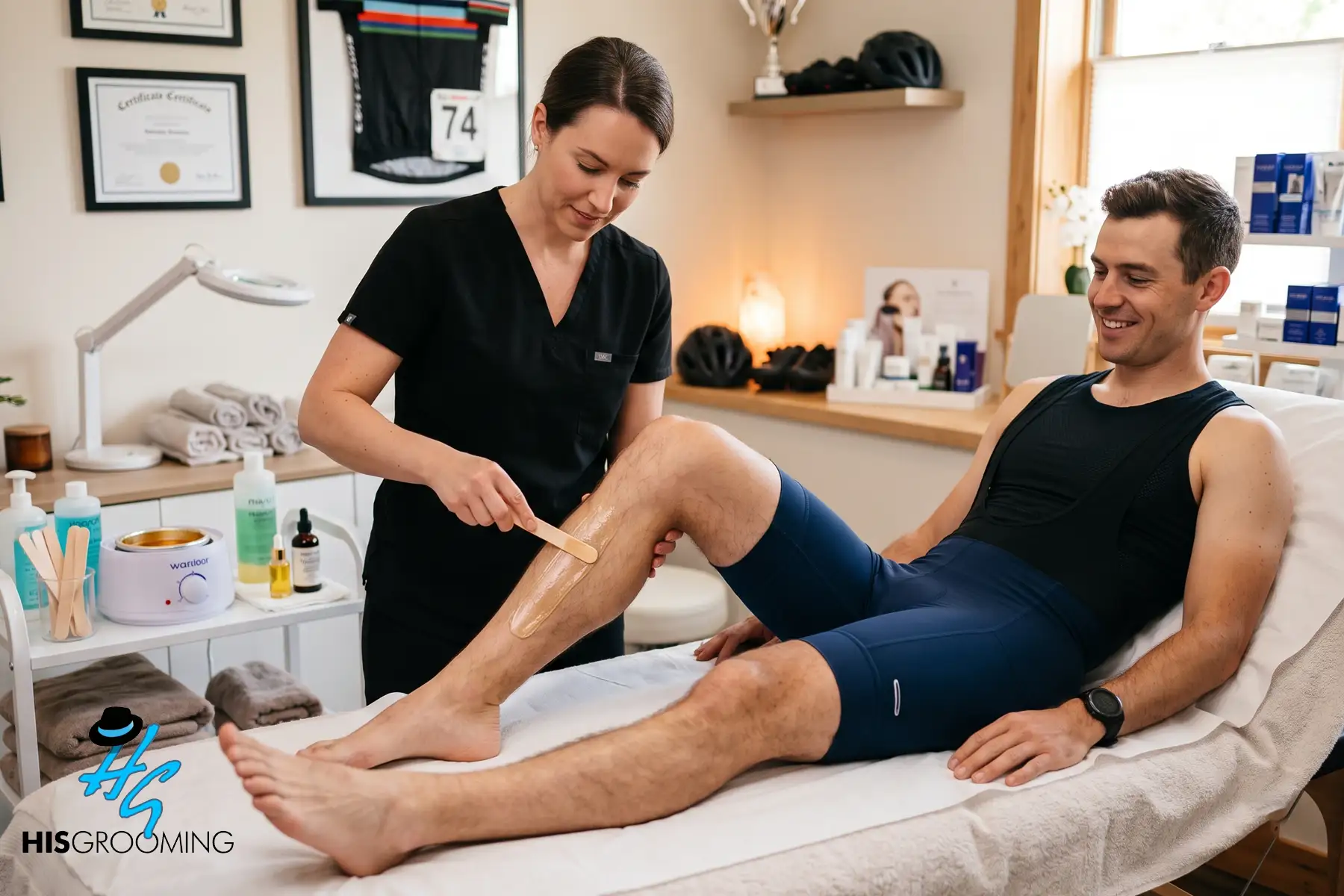
Swimmers choose waxing over shaving because it can shave real time off the clock. Smooth skin for a swimmer reduces drag in the water. For cyclists, runners, and lifters, waxing helps you stay smoother for longer between sessions, which matters when you’re training almost every day.
How Often to Wax
Most men fall somewhere between two to six weeks for a full session, but athletes usually land on the tighter end of that window. Hair grows back faster when you’re sweating daily and showering twice a day.
If you’re chasing best results, book your first session and track how fast the hair returns. Some guys need it every 3 weeks. Others stretch to 5 or 6. Your training schedules should shape the answer, not a generic rule.
Endurance athletes with big events on the calendar often plan two sessions: one a few weeks out, and a touch-up closer to race day. That keeps skin smooth without waxing too close to competition.
Best Waxing Areas for Athletes
Not every athlete needs a full body wax. Pick the areas that actually affect your training.
Legs. Runners and cyclists benefit most here. Less hair means less drag and easier post-workout recovery, since lotions and ice packs work better on bare skin.
Chest and back. Bodybuilders and swimmers often prioritize this for aesthetics and performance. If back hair is holding you back, this guide on back waxing benefits breaks down why it’s worth it.
Arms and shoulders. Useful for swimmers and anyone who wants a cleaner look under sleeveless gear.
Underarms. A quick win for hygiene and reducing odor during long training blocks.
Bikini or groin area. High-friction zone for cyclists and runners. For specifics, check this guide on intimate waxing.
How to Plan Around Training
Timing your wax around a training block isn’t complicated once you know the rules.
- Wax before rest days. Skin needs 24 to 48 hours to calm down. A rest day gives it that window without sweat or friction getting in the way.
- Avoid hard workouts for 24 to 48 hours after waxing. Pores are open right after a session, so intense workouts and heavy sweat can cause irritation or breakouts.
- Time sessions before races or events. Book 3 to 5 days out. That’s enough time for redness to settle but close enough that hair hasn’t grown back.
- Match waxing with recovery weeks. Deload weeks are the perfect window since your body isn’t under heavy stress and skin has time to heal.
Booking through a proper waxing service that understands athletic schedules makes this a lot easier to plan around.
How to Prepare for Waxing
A little prep goes a long way toward a smoother, less painful session.
Let hair grow to about a quarter inch, roughly the length of a grain of rice, so the wax can grip it properly. Exfoliate gently a day or two before your appointment to lift dead skin and help the wax pull hair cleanly.
Skip heavy lotions or oils on the day of your session since they stop wax from sticking. Avoid sunburn and skin irritation beforehand too, since waxing on damaged skin can cause a rash. Wear loose clothing to your appointment so nothing rubs against freshly waxed skin on the way home.
Aftercare Tips
What you do after waxing matters just as much as the session itself.
Keep skin clean and cool for the first 24 hours. Avoid sweat, friction, and tight gear, since all three can trigger irritation or bacterial growth in freshly opened pores. Use soothing products like aloe vera or a fragrance-free moisturizer to hydrate and calm the skin.
A few days later, start to exfoliate gently to prevent ingrown hairs before they start. This one step cuts down ingrown hair complaints more than anything else in a post-wax skincare routine.
Waxing vs Shaving
Shaving is faster, but it’s a short-term fix. Hair grows back within a day or two, often thicker at the tip, and razors raise the risk of nicks, rashes, and ingrown hairs from daily contact with the skin.
Waxing provides longer-lasting smoothness since it removes hair from the root instead of cutting it at the surface. Unlike shaving, waxing also means fewer sessions overall, which fits better into a busy training schedule. Curious how it stacks up against another option entirely? This piece on waxing vs laser is worth a read.
Common Mistakes to Avoid
A few slip-ups can turn a good waxing routine into a bad one.
Waxing too close to competition is the big one. Give skin at least 3 days to settle before a big event. Training too soon after waxing is another, since sweat and friction on open pores invite irritation. Waxing irritated or sunburned skin can cause real discomfort and even damage. And skipping aftercare undoes most of the benefit, since it’s the follow-up care that prevents ingrown hairs and rashes. For a longer rundown, this list of waxing mistakes covers the ones people repeat most.
Frequently Asked Questions
How often should athletes wax?
Every 3 to 6 weeks, depending on hair growth and your training calendar.
Is waxing better than shaving for sports?
Generally yes. It’s longer-lasting and reduces friction and chafe better than shaving.
How long before a game should I wax?
Aim for 3 to 5 days before any competition.
Can I train after waxing?
Wait 24 to 48 hours before intense workouts to avoid irritation.
What body areas should athletes wax first?
Legs and the groin area, since these see the most friction.
Does waxing help with chafing?
Yes. Less hair means less friction between skin and gear.
How do I stop ingrown hairs after waxing?
Exfoliate a few days after your session and keep skin moisturized.
Is waxing safe for sensitive skin?
Yes, though it’s smart to mention it beforehand so your therapist can adjust the wax and technique used.