How Long Does Chest Waxing Last? (Real Answer + Tips)
If you’ve just booked your first chest wax, or you’re weighing it up against the razor, you’re probably wondering: how long does chest waxing last? The short answer is 3 to 6 weeks. The longer answer depends on your hair, your hormones, and how you look after your skin afterward.
What Is Chest Waxing?
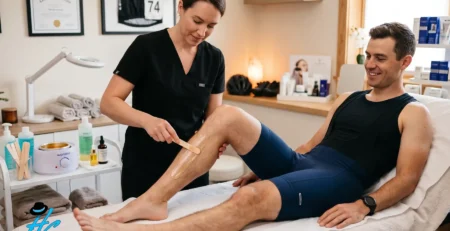
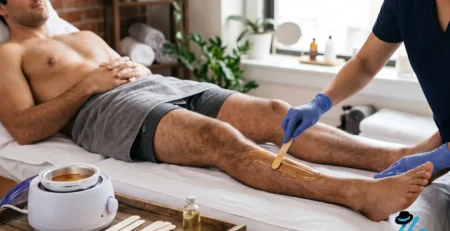
Chest waxing is a hair removal method that pulls hair out from the root instead of cutting it at the surface like a razor does. A therapist (or you, if you’re going the DIY route) applies warm or cold wax to the chest, presses a strip or lets the wax set, then rips it off in one quick motion, taking the hair with it.
Because the hair comes out from the follicle, not just the visible shaft, regrowth takes weeks instead of days. That’s the whole appeal. You’re not fighting stubble every morning. You get one session, then weeks of smooth skin before you need to think about it again.
Most men in Australia get chest waxing done at a salon, though at-home kits have gotten a lot better in recent years. Either way, the mechanics are the same: warm wax, quick pull, root removal.
Why Men Choose Chest Waxing
Chest hair removal isn’t just a cosmetic trend. Men choose waxing for a mix of reasons, and they usually overlap.
Cosmetic Reasons
A lot of guys simply prefer the look of a smooth or well-defined chest. It shows off muscle tone, works better under fitted shirts, and photographs cleaner for the beach or a night out. Waxing gives a crisper line than shaving ever manages.
Practical Reasons
Less chest hair means less sweat trapped against the skin, which matters for swimmers, cyclists, and gym regulars. Some sports (like swimming and bodybuilding) treat a smooth chest as close to standard practice, since it cuts drag and shows definition under stage lighting.
Confidence and Body Image
Plenty of men say a clean chest just makes them feel more put together. It’s a small change, but it can shift how you feel in a singlet, at the pool, or getting intimate with a partner. That confidence boost is a real reason people keep booking appointments.
Types of Chest Waxing
Not all wax is the same, and the type used changes your comfort level, your cost, and sometimes how long the results last.
Hot Wax Strips
Hot wax (also called hard wax) is heated, spread thickly over the skin, and left to cool and harden before being peeled off without a cloth strip. It grips hair tightly but bonds less to skin, which makes it a solid pick for chests, since chest skin can be sensitive and prone to redness. Most professional salons in Australia use hot wax for this exact reason.
Cold Wax Strips
Cold wax strips come pre-made and ready to press onto the skin, no heating required. They’re the go-to for at-home use because there’s no equipment and no mess. The trade-off is they don’t grip hair quite as well as hot wax, so you might need a second pass on thicker patches.
Sugar Waxing (Sugaring)
Sugaring uses a paste made from sugar, lemon, and water instead of resin-based wax. It’s applied against the direction of hair growth and removed with the growth, which some men find less painful. It’s also gentler on skin because it only sticks to hair, not skin cells, so there’s less risk of irritation on a sensitive chest.
Professional Salon Waxing vs. At-Home Kits
A professional chest waxing service usually delivers a cleaner result, fewer missed patches, and a lower risk of burns or bruising, because a trained therapist controls the wax temperature and technique. At-home kits save money but come with a learning curve.
How Long Does Chest Waxing Typically Last?
This is the part everyone actually wants to know. On average, chest waxing lasts 3 to 6 weeks before you need another session. Most men land somewhere around the 4-week mark for a good balance of smoothness and value.
Average Hair Regrowth Timeline
Chest hair grows in cycles, and not all your follicles are active at the same time. That’s why regrowth after waxing looks patchy at first rather than sudden. You’ll usually notice the first fine hairs poking through around week 2 to 3, with fuller regrowth by week 5 or 6. Waxing pulls hair out mid-cycle, so some follicles that were dormant at your appointment will start producing hair sooner than others that were freshly pulled.
Factors That Change Duration
Your natural hair growth rate plays the biggest role, and that’s largely genetic. Hormones matter too. Testosterone drives chest hair growth, so men with naturally higher levels, or those on hormone therapy, tend to see faster regrowth. Age, ethnicity, and even stress levels can shift your timeline slightly in either direction.
Differences by Waxing Method
Hot wax tends to grab hair closer to the root, which can stretch results out a touch longer than cold strips. Sugaring sits somewhere in the middle. The real variable isn’t so much the wax type as how thoroughly the technician (or you) worked the area, since missed patches show up as regrowth faster than the rest.
What to Expect After Waxing
The first few weeks after a chest wax go through a fairly predictable pattern. Knowing what’s coming makes the whole process less stressful, especially if it’s your first time.
First 24 to 48 Hours: Redness and Sensitivity
Right after waxing, your chest will likely look a bit red and feel warm to the touch, similar to mild sunburn. This is completely normal and comes from the follicles being disturbed. Small bumps might show up too, especially if you have sensitive skin. Most of this settles within a day, sometimes two, without needing anything more than a cool compress or aloe gel.
First Week: Stubble vs. Smoothness
For the first 5 to 7 days, your chest should stay genuinely smooth, no stubble, no five-o’clock shadow. This is the payoff stretch, and it’s the biggest difference between waxing and shaving. A razor gives you smoothness for maybe a day. Waxing gives you a full week or more before you feel anything at all.
Weeks 2 to 6: Regrowth and Texture Changes
By week 2, the first wave of fine hairs starts to appear, usually soft and barely visible. Over weeks 3 to 6, more follicles catch up and hair becomes noticeably longer, though it typically comes back finer and less coarse than it was before waxing. This is the natural point to book your next session if you want to stay ahead of visible regrowth.
How to Make Chest Waxing Last Longer
You can’t change your genetics, but you can absolutely stretch your results with the right routine before and after each session.
Pre-Wax Prep
Exfoliate your chest 24 to 48 hours before your appointment, not the day of, since freshly exfoliated skin can be more reactive to wax. This clears away dead skin that can trap hairs and cause the wax to grip less effectively. Trim any hair longer than about 1.5cm so the wax can grab it evenly instead of pulling unevenly on long strands.
Post-Wax Care
Keep your skin hydrated with a fragrance-free moisturizer for the first few days. Avoid hot showers, saunas, and heavy sweating for at least 24 hours, since heat and moisture irritate freshly opened follicles and raise the risk of breakouts. Loose, breathable clothing helps too, especially cotton, which won’t rub against sensitive skin the way synthetic fabrics do.
Product Recommendations
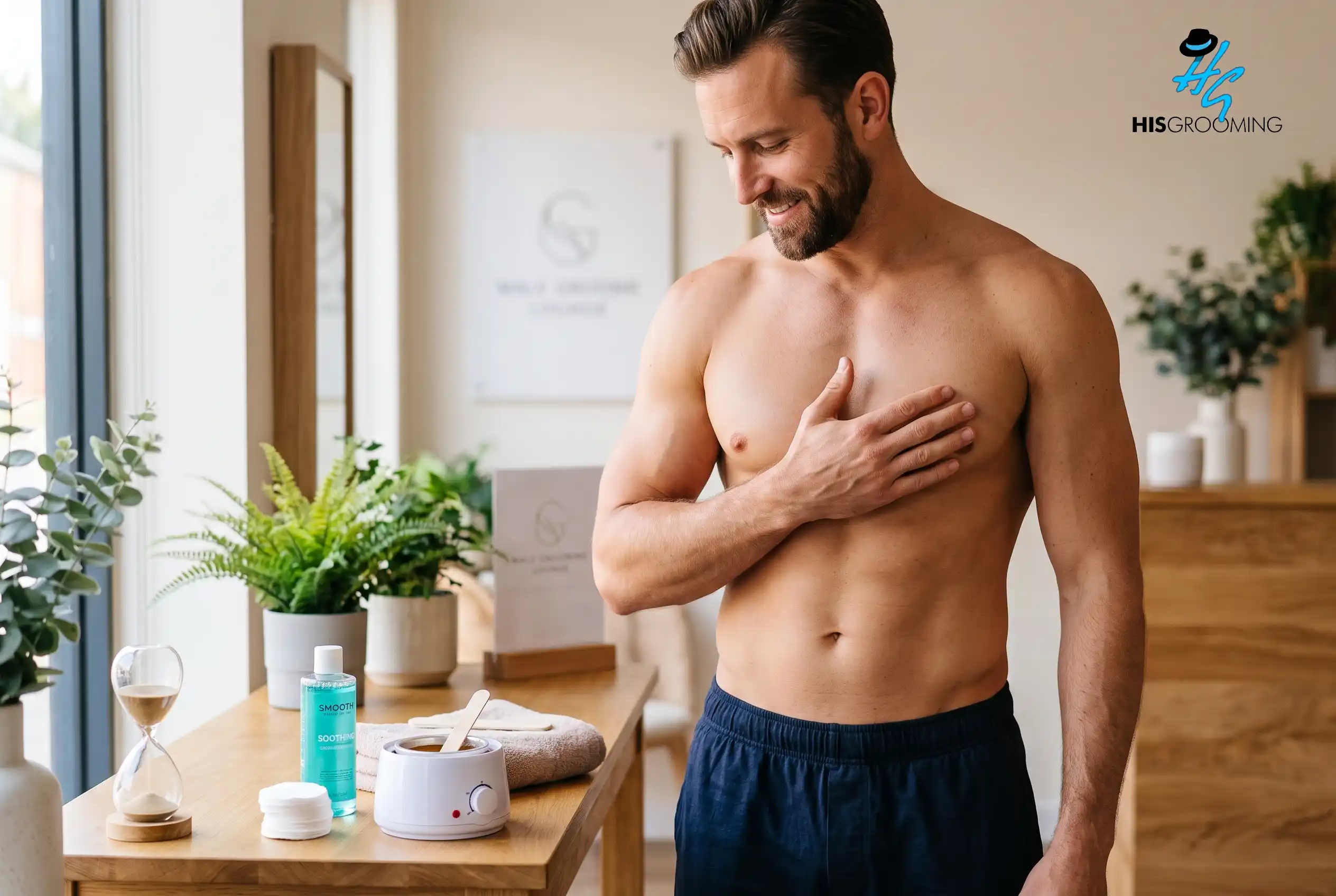
Look for a soothing gel with aloe vera or chamomile for the first 48 hours, then switch to a light exfoliating wash by day 4 or 5 to prevent ingrown hairs. Avoid anything with alcohol or heavy fragrance until the redness has fully settled.
Lifestyle Tips
Skip direct sun exposure on freshly waxed skin for at least 24 to 48 hours, since UV rays hit newly opened pores harder than usual. If you’ve got a big workout planned, either do it before your wax or wait a day after, so sweat doesn’t sit on irritated skin.
Consistent Waxing Schedule
Sticking to a regular 4 to 6 week schedule trains your hair growth cycle over time. Regular waxers often notice regrowth slows and comes in finer after several sessions in a row, which is one of the biggest perks of staying consistent rather than waxing only when hair gets out of control.
Pain and Sensitivity: What to Expect
Nobody loves talking about the pain side of waxing, but it’s worth being upfront about it so there are no surprises.
Typical Pain Levels
Waxing hurts because you’re pulling hair directly from the follicle, which triggers nerve endings in a short, sharp burst. Most men describe chest waxing as a quick sting rather than ongoing pain, and it fades within seconds of each pull. First-time sessions tend to feel more intense simply because your skin hasn’t adjusted yet.
Pain Reduction Techniques
Slow, steady breathing through each pull genuinely helps, since tensing up makes the skin tighter and the pull sharper. Over-the-counter pain relief taken about 30 to 45 minutes before your appointment can take the edge off. Numbing creams are an option too, though check with your therapist first since some interfere with how well the wax grips.
When to Avoid Waxing
Skip waxing if you’re on Accutane or other retinoid medications, since these thin the skin and raise the risk of tearing. Active sunburn, eczema flare-ups, or open cuts on the chest are also reasons to wait. If you’re unsure, a quick chat with your therapist or GP before booking saves you a painful appointment.
Risks and Side Effects
Waxing is generally safe, but like any hair removal method, it comes with a few risks worth knowing about.
Common Side Effects
Redness, small bumps, and mild swelling are the most common reactions, and they usually clear up within a day or two. Ingrown hairs are the other frequent complaint, especially if you skip exfoliation in the weeks after waxing. These happen when a regrowing hair curls back into the skin instead of pushing straight out.
Less Common Risks
Infection can occur if the salon doesn’t follow proper hygiene, so it’s worth asking about their sanitation process before booking, things like single-use applicators and clean linen per client. Scarring is rare but possible if skin tears during a pull, usually from wax applied too hot or removed at the wrong angle. Allergic reactions to the wax itself, or to fragrances in aftercare products, can also show up as a rash.
How to Treat and When to See a Professional
For mild redness or bumps, a cool compress and fragrance-free moisturizer usually sort things out within 48 hours. If you notice pus, spreading redness, fever, or pain that gets worse instead of better, that’s your cue to see a doctor, since it could point to infection. For anything unusual after a salon visit, it’s also worth reaching out to the salon directly, and a business with an established track record will usually walk you through next steps.
Chest Waxing vs. Other Hair Removal Options
Waxing isn’t the only option, so it’s worth seeing how it stacks up against the alternatives.
Shaving
Shaving is cheap, fast, and painless, but the results last a day or two at most before stubble returns. It also carries the highest risk of nicks, razor burn, and ingrown hairs of any method on this list, simply because you’re doing it so often.
Depilatory Creams
Creams dissolve hair at the surface using chemicals, and they’re painless in the sense that nothing gets pulled. Results last slightly longer than shaving, around 3 to 5 days, but the smell and skin sensitivity put a lot of guys off, and they don’t work well on thick, coarse chest hair.
Laser Hair Removal
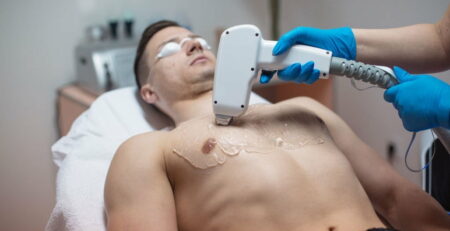
Laser hair removal targets the hair follicle with light energy and, after a full course of sessions, can reduce hair growth significantly over the long term. It costs more upfront than waxing and needs multiple visits spaced weeks apart, but for men chasing a long-term, low-maintenance result, it’s the closest thing to permanent on this list.
Trimming and Clipping
Trimming just shortens hair with clippers rather than removing it. It’s the lowest-commitment option, ideal for guys who want a tidier look without going fully smooth, but it needs to be repeated every week or so to stay neat.
Cost, Time, and Longevity Comparison
Shaving costs almost nothing but eats up daily time. Creams sit in the low-cost bracket with slightly better longevity. Waxing costs more per session but buys you weeks of smoothness. Laser is the priciest upfront, spread across several sessions, but pays off in reduced regrowth over months and years.
Choosing the Right Salon or At-Home Kit
Where you get waxed matters almost as much as how often.
What to Look for in a Salon
Hygiene should be your first filter, ask about single-use applicators, sanitized tools, and fresh linen for every client. Experience with men’s chest waxing specifically matters too, since male chest hair tends to be thicker and denser than the areas many salons are used to treating. A salon that specializes in male waxing will generally use techniques suited to coarser hair and more sensitive male skin.
Choosing an At-Home Kit
If you’re going the DIY route, pick a kit designed for coarse body hair rather than fine facial hair, since chest hair needs a stronger grip. Read the instructions fully before starting, and always do a small patch test first to check for any reaction.
Questions to Ask Before Booking
Ask how long the therapist has been doing men’s waxing, what type of wax they use on chests, and what their hygiene protocol looks like. It’s also fair to ask about their aftercare advice, a good salon should send you home with clear instructions, not just a receipt.
Ideal Waxing Schedule for Different Goals
Your ideal frequency depends on what you’re actually trying to achieve.
For a Smooth Look
If your goal is staying consistently smooth, book every 4 to 6 weeks. This keeps you ahead of visible regrowth and matches most men’s natural cycle, so you’re never stuck with obvious stubble in between.
For Reduced Density Over Time
Waxing regularly for 6 months to a year, sticking closely to the schedule instead of waiting until hair gets long, tends to produce finer, sparser regrowth over time. It’s not permanent reduction like laser, but consistent waxers do report thinner hair after a year or more of regular sessions.
For Sport or Seasonal Needs
If you only wax for summer or a specific event, book your session 5 to 7 days out. This gives any initial redness time to settle while keeping you smooth for the occasion itself. For swimmers or bodybuilders with a competition date, aim for 3 to 4 days before, since skin looks its cleanest in that window.
Costs in Australia: What to Expect
Chest waxing prices vary a fair bit depending on your city, the salon, and whether you’re bundling it with other services.
Typical Salon Price Ranges
Across Australia, chest waxing generally runs between $60 and $100 for a standalone session. In Perth, for example, a chest and tummy wax at a specialist men’s salon runs around $95 for a session lasting about 20 minutes. Prices in Sydney and Melbourne tend to sit at the higher end of that range, while regional areas and smaller cities often come in a bit cheaper. Bundling chest with other areas, like back and shoulders, usually brings the per-area cost down slightly.
At-Home Kit Cost Comparison
A decent at-home chest waxing kit typically costs $20 to $40 and covers several sessions, making it far cheaper per use than a salon visit. The catch is technique. Uneven application or wax that’s too hot can lead to patchy results or minor burns, something a trained therapist is far less likely to do.
Value Factors
Price isn’t the whole story. Therapist skill affects how even and thorough the result is, wax quality affects comfort and how well hair is gripped, and both factors influence how long your results actually last. A slightly pricier session with a specialist often works out better value than a cheap one that leaves patches and needs an early top-up.
Real User Experiences and Testimonials
Talking to men who’ve actually gone through it tells you more than any spec sheet.
Beginner First-Time Experiences
Most first-timers say the anticipation is worse than the actual waxing. The common thread in online reviews and forums is surprise at how quick the whole process is, most chest sessions wrap up in 15 to 20 minutes, and how much smoother the skin feels compared to shaving.
Regular Waxers: What Changed
Men who stick with regular waxing consistently mention two things: less pain over time as their skin and pain tolerance adjust, and finer, sparser regrowth after several months of consistent sessions. Several also mention fewer ingrown hairs once they settled into a proper aftercare routine.
Common Tips From Users in Australia
The advice that comes up again and again: book with someone who specializes in male waxing rather than a generalist salon, exfoliate a day or two before (not the same day), and avoid the gym for 24 hours after your appointment to keep irritation to a minimum.
Frequently Asked Questions
How long before chest hair is long enough to wax?
Chest hair generally needs to be at least 5mm to 1.5cm long for wax to grip it properly. That usually means waiting 2 to 3 weeks after your last shave or wax before booking. Too short, and the wax will slide right over the hair instead of pulling it out.
Can waxing reduce hair thickness permanently?
Not permanently, but regular waxing over months can make regrowth finer and less dense over time. This happens because repeated pulling can weaken the follicle gradually. For permanent reduction, laser hair removal is the more reliable option.
How often should I wax my chest?
Most men book every 4 to 6 weeks, which matches the average regrowth cycle. Some stretch it to 8 weeks once regrowth slows from consistent waxing. Going shorter than 4 weeks usually means there isn’t enough hair length for the wax to grip well.
Is chest waxing safe for sensitive skin?
Yes, generally, though sensitive skin may react with more redness or small bumps than average. Sugar waxing or hot wax tends to be gentler than cold strips for sensitive chests. A patch test and a chat with your therapist beforehand is always a smart move.
Will waxing cause ingrown hairs, and how can I prevent them?
It can, particularly if you skip exfoliation afterward. Regular gentle exfoliation starting 3 to 4 days post-wax, plus a fragrance-free moisturizer, cuts the risk significantly. Loose clothing in the days after also helps hair grow out straight instead of curling back in.
Can I wax over tattoos or scar tissue?
Older, fully healed tattoos are usually fine to wax over, but tell your therapist beforehand so they can adjust wax temperature. Fresh tattoos (under 4 to 6 weeks old) and raised or sensitive scar tissue should be avoided until fully healed.
How soon can I shower, swim, or exercise after waxing?
Wait at least 24 hours before swimming, hot showers, or intense exercise, since sweat and chlorine can irritate freshly waxed skin. A lukewarm shower is fine after a few hours. Give it the full day before anything that causes heavy sweating.
What should I do if I have an allergic reaction or infection?
For mild redness or itching, a cool compress and fragrance-free antihistamine cream usually helps within a day. If you notice pus, spreading redness, or fever, see a doctor promptly, since this points to infection rather than a normal reaction.
Chest waxing is one of those grooming habits that gets easier and more predictable the more you do it. Once you’ve got your schedule dialed in, whether that’s every 4 weeks for a swimmer’s chest or every 6 weeks for general upkeep, it becomes a routine rather than a hassle. If you’re in Perth and ready to book, His Grooming specializes in male waxing across Como and Claremont, with straightforward pricing and a team that knows how to work with male chest hair specifically. Get in touch to lock in your first appointment.