Laser Hair Removal for Dark Skin Men in Perth – Is It Safe?
Laser hair removal for dark skin men in Perth is safe and effective when the right laser, the right settings and a trained clinician come together. Get one of those wrong and you risk burns or dark patches. This guide shows you how to get it right.
What Is Laser Hair Removal for Dark Skin Men?
Laser hair removal uses concentrated light to damage the follicle, the tiny pocket that grows each hair. The pigment in your hair absorbs the light, turns it into heat, and that heat disables the follicle. Over a course of sessions, fewer hairs grow back, and the ones that do come back finer.
Here’s the catch for darker skin. Melanin, the pigment that gives your skin its colour, also absorbs light. Think of it like a sunny day: dark clothing soaks up heat faster than white. If a laser can’t tell the difference between pigment in your hair and pigment in your skin, your skin takes the hit.
That’s why laser hair removal on dark skin is a different job from treating pale skin. Clinicians use specific wavelengths, longer pulses and slower, more careful settings. Dermatologists group skin tones on the Fitzpatrick scale, and men with brown or black skin usually sit at types 4, 5 and 6.
If you fall into that range, you can still get excellent results. You just need a clinic that treats your skin type every week, not once in a while.
Why Dark Skin Needs a Different Approach
A laser aims for contrast. Pale skin with dark hair gives the beam an easy target, because the hair soaks up the energy while the skin barely reacts. With darker skin, that contrast shrinks, and the beam has more competition for its energy.
When skin absorbs too much light, you can end up with burns, blisters or patchy colour changes. Those problems are avoidable, but they’re real, and they’re the reason cheap, one-size-fits-all treatments get a bad reputation.
So what does a different approach look like? It starts with the laser itself. The wavelength needs to travel deeper into the skin and bypass the pigment on the surface. The pulse needs to be long enough to heat the follicle gently without overheating the skin around it.
Your clinician also needs to judge your skin as it is today. A tan from a weekend at Cottesloe changes how your skin responds, and so does a fresh sunburn. In Perth, where UV levels run high for much of the year, that judgement matters more than it does in cooler cities.
The treatment itself is simple. The skill sits in the setup: choosing the settings, testing them on a small area, and adjusting as your skin responds across sessions.
One more point. Dark skin also tends to be more prone to ingrown hairs and razor bumps, which is often why men look into laser in the first place. Done well, laser can fix the very problem that shaving creates.
Best Laser Types for Dark Skin
Not every laser suits every skin. Here’s how the main options compare for laser hair removal on men with dark skin (Fitzpatrick types 4 to 6).
Nd:YAG laser (1064 nm)
The long-pulsed Nd:YAG is the laser most clinicians reach for first on dark skin. Its 1064 nm wavelength is the longest of the common hair removal lasers, which means melanin in the skin surface absorbs far less of it. The energy passes through and reaches the follicle.
The trade-off is that Nd:YAG works a little more gently on fine or light hair. It does very well on thick, coarse hair, which is what most men have on the back, chest and beard area.
If you’re researching Nd:YAG laser hair removal, you’re looking at the standard of care for darker skin tones.
Diode laser (long pulse settings)
Diode lasers run at a shorter wavelength than Nd:YAG, often around 800 to 810 nm. On their own, that wavelength is riskier for dark skin. With long pulse settings, good cooling and an experienced operator, some diode devices can treat darker tones safely.
The key is the word “some.” Ask the clinic which diode device they use, whether it has settings built for darker skin, and how often they treat men at your skin type. A general answer isn’t enough.
Why Alexandrite and IPL carry more risk
Alexandrite lasers work at a shorter wavelength, around 755 nm. They’re fast and effective on light skin, but melanin in dark skin absorbs that wavelength strongly. The risk of burns and pigment changes goes up sharply.
IPL (intense pulsed light) isn’t a true laser. It fires a broad spectrum of light, and much of it lands on skin pigment. For Fitzpatrick types 5 and 6, most clinical guidance steers away from IPL. If a clinic offers IPL to a man with very dark skin, treat that as a warning.
Why technology matters more than price
A cheaper session is no bargain if it leaves you with a burn that takes months to fade. Equipment built for dark skin costs more to buy and maintain, and a good clinic passes some of that cost on.
The device matters, but so does the person using it. A great laser in untrained hands is still a risk. Judge a clinic on both, and treat price as the last thing you compare.
Benefits of Laser Hair Removal for Men with Dark Skin
Men come in for different reasons, but the benefits tend to repeat.
Long-term hair reduction
Most men see a clear drop in hair growth after a full course. Laser delivers permanent hair reduction, meaning far fewer hairs and much finer regrowth, though it doesn’t promise zero hair forever. Top-up sessions once a year keep things tidy.
Fewer ingrown hairs and razor bumps
Curly, coarse hair on dark skin tends to curl back into the skin after shaving. That causes painful bumps and, over time, dark marks. Laser hair removal for ingrown hairs works because it thins and removes the hair that causes them.
Clearer skin and less irritation
Without daily shaving, your skin gets a break. Redness fades, rough patches calm down, and your neck stops feeling raw by lunchtime. Many men notice their skin tone evens out over several months.
Time savings over shaving and waxing
Do the sums. If you shave your neck and cheeks every day for 10 years, that’s thousands of hours. Laser takes a handful of short sessions and then gives that time back.
Cleaner look for sport and performance
Swimmers, cyclists, footballers and gym-goers often remove body hair for comfort and a sharper look. Laser handles that without the stubble, stinging or regrowth cycle that comes with a razor.
Risks and Side Effects to Know
Every effective treatment carries some risk. Being honest about them helps you spot a good clinic.
Burns and blistering
These happen when the skin absorbs too much energy. They’re rare with the right laser and settings, and common with the wrong ones. Real blisters need medical attention.
Hyperpigmentation and hypopigmentation
Hyperpigmentation means dark patches. Hypopigmentation means lighter patches. Both are the biggest worry for darker skin, and both usually come from settings that were too aggressive or skin that was tanned at the time of treatment.
Most dark patches fade over weeks or months. Lighter patches can take longer.
Redness and swelling
Some redness and small bumps around the follicles are normal right after a session. They look like mild sunburn or goosebumps and settle within a day or two.
Paradoxical hair growth
Occasionally, treated areas grow more hair, not less. It’s uncommon and tends to show up in fine hair on the face and neck. A clinician can adjust the approach if it happens.
How a trained clinician lowers these risks
A trained clinician does five things:
- Assesses your skin type properly before you start
- Runs a patch test on a small area
- Uses a laser and settings suited to your skin
- Adjusts the plan if your skin reacts
- Gives you clear aftercare and follow-up
That checklist is what separates a safe course from a gamble.
Who Is a Good Candidate?
Most men with dark skin and dark, coarse hair are good candidates for laser hair removal. If your hair is thick and visible, the laser has plenty to work with.
Your skin matters too. You’ll get the best and safest results if your skin is untanned, healthy and free of active infection or open wounds in the treatment area.
A few situations call for extra care or a pause:
- A recent tan or sunburn
- Certain medications, including some acne treatments and antibiotics that make skin sensitive to light
- A history of keloid scarring
- Active skin conditions like eczema flare-ups or cold sores in the area
- Very light, grey or white hair, which lasers can’t see
Grey and white hair is worth knowing about. Lasers target pigment, so hair without it won’t respond. If you’ve got a mix, the dark hairs will clear and the grey ones will stay.
Tell your clinician about your full medical history. A good consultation takes time and asks plenty of questions. If a clinic rushes you through it, that tells you something.
Best Treatment Areas for Men
Men book laser for plenty of areas. These are the most common.
Back and shoulders
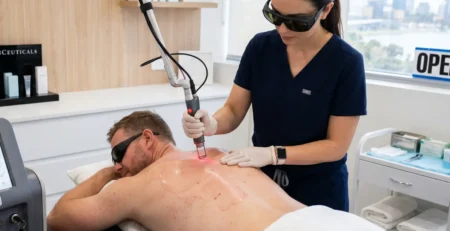
Back hair is hard to shave and hard to wax on your own. Laser clears large areas quickly, and the hair here is usually thick enough to respond well. Back laser hair removal for men is among the most popular requests.
Chest and abdomen
Some men want a clean chest, others prefer a trimmed look. Laser can do either: full removal, or a thinning approach that leaves a lighter, more natural pattern.
Neck and beard line
The neck is where many men with dark skin struggle most with razor bumps. Laser on the neck and beard line can give you a sharp edge and calmer skin. It’s also an area that needs careful technique, so ask about experience here.
With pseudofolliculitis barbae, the clinical name for razor bumps, laser is often the most lasting fix.
Arms and legs
Cyclists and swimmers choose these areas often. The treatment is quick on legs and arms once the skin is prepared.
Intimate and underarm areas
Underarms respond well and often clear fast. Brazilian laser hair removal for men, covering the groin and buttocks, is more common than many guys expect. These areas are darker in tone and sensitive, so you need a clinician who knows how to adjust the settings.
You don’t have to book everything at once. Many men start with one area, see the result, and add more.
Laser Hair Removal vs. Waxing vs. Shaving
Each method has a place. Here’s how they stack up.
Shaving
Shaving is cheap and fast, and it’s the main cause of razor bumps on dark skin. You’ll repeat it every day or two for as long as you want a smooth result. It cuts the hair at the surface, so it grows back quickly with a blunt, stubbly edge.
Waxing
Male waxing pulls hair out from the root, so results last around 3 to 6 weeks. It’s a good short-term option, and it suits men who want a clean look for a specific event. Waxing can still cause ingrown hairs, though, especially on curly hair.
One rule: stop waxing while you’re doing laser. The laser needs the hair root in place to work.
Laser hair removal
Laser costs more upfront, and it takes several sessions. In return, it reduces hair growth for years, and it reduces ingrown hairs too. Over a decade, it often costs less than the razors, blades, waxing visits and skincare you’d otherwise buy.
Which should you choose?
If you get ingrown hairs, razor bumps or dark marks from shaving, laser is usually the best answer. If you need a quick fix before a holiday, waxing is fine. If you want a quick tidy at home, shaving still works.
Many men use a mix: waxing while they decide, then laser for the long term. If you’re weighing the cost, the pricing page breaks it down by area.
Treating Hair Alongside Sun Damage and Acne Scars
Hair removal often sits alongside other skin goals. Perth’s sun does a lot of the damage, and many men carry old acne marks too.
Hyperpigmentation and sun damage
Years of sun leave uneven patches, especially on the face, neck and shoulders. Laser hair removal won’t treat that, but a clinician can plan around it. Sun-damaged skin is more sensitive, and you’ll want the pigment settled before you start hair removal.
Some men do their skin treatments first and start laser a few weeks later. Your clinician will tell you what order makes sense.
Acne scarring and razor bumps
Razor bumps and acne scars often overlap on the jawline and neck. Once hair stops growing, the bumps settle and the area can heal. A carbon facial can help with oil, congestion and breakouts at the same time.
Combining treatments safely
Two treatments on the same day isn’t always smart. Skin that’s been peeled, exfoliated or treated with active ingredients is more sensitive to laser. Clinics usually space treatments out by days or weeks.
The principle is simple: one change at a time, in the right order. A clinician who understands both hair and skin can build you a plan that doesn’t cause setbacks.
How to Choose a Clinic in Perth
This choice matters more than any other in the process. Look at these six things.
Medical oversight and qualifications
Ask who performs the treatment and what qualifications they hold. Look for registered nurses, doctors or dermal clinicians with specific laser training, working under medical oversight. Check that the clinic follows Western Australian radiation safety requirements for lasers.
Experience with darker skin tones
Ask how many men with Fitzpatrick type 4, 5 or 6 they treat. A confident clinic will give you a straight answer and explain how they adjust for your skin.
Patch test policy
A patch test should come before your first full session, and the clinic should wait for your skin to respond before going further. No patch test is a red flag.
Equipment and settings
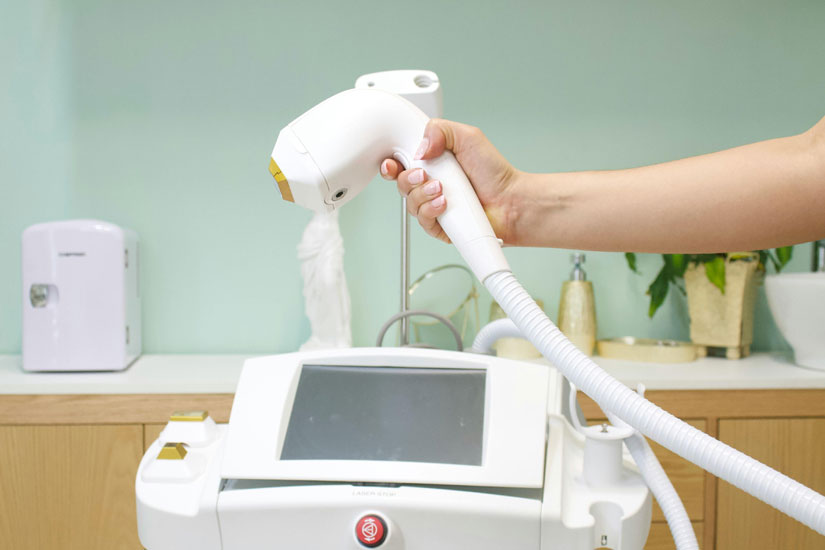
Ask which laser they use and why it suits your skin. For dark skin, a long-pulsed Nd:YAG or a diode with settings designed for darker tones are the safer choices. The clinic should be able to explain their device without a sales pitch.
Privacy and discreet service
Many men prefer a private, low-fuss setting. Look for a clinic built around men’s grooming, with private rooms and sensible booking. A men’s grooming clinic in Perth that treats this as its core service, like Men’s Grooming, tends to understand what matters here.
Red flags to avoid
Be wary of:
- Heavy discounts that look too good to be true
- No skin assessment or patch test
- Promises of 100% permanent results
- Pressure to buy large packages upfront
- IPL offered for very dark skin
- Vague answers about the device or the operator
A good clinic asks you more questions than you ask them.
Ready to talk to a clinician? Book a consultation and get a skin assessment and patch test before you commit to anything.
How to Prepare for Your Sessions
Good preparation makes treatment safer and results better.
Avoid sun and tanning
Stay out of strong sun for at least 2 to 4 weeks before each session, and don’t use fake tan or tanning beds. Tanned skin absorbs more laser energy and raises the risk of pigment changes. If you’ve got a recent tan, tell your clinician. They may delay your appointment, and that’s the right call.
Stop waxing and plucking
Don’t wax, pluck or thread the area for at least 4 weeks before you start. The laser needs the hair root intact.
Shave the area
Shave the treatment area 12 to 24 hours before your session. Long hair above the skin burns on the surface and makes treatment more uncomfortable. Use a clean razor and don’t irritate your skin.
Pause certain skincare and medications
Tell your clinician about retinoids, exfoliating acids, antibiotics and any new medication. Some make skin more light-sensitive. You may need to pause them for a few days or weeks before treatment.
Plan around sport and Perth’s summer sun
Think ahead. If you’ve got a triathlon, a beach holiday or a long weekend at Rottnest coming up, book your sessions so your skin isn’t fresh from treatment when you head outside. Many Perth men start their course in autumn or winter, when sun exposure is lower.
What to Expect During Treatment
Knowing the process removes most of the nerves.
Consultation and patch test
Your first visit covers your skin type, hair type, medical history and goals. The clinician tests a small area with your planned settings. You’ll wait a short time to see how your skin reacts before the full course begins.
The session
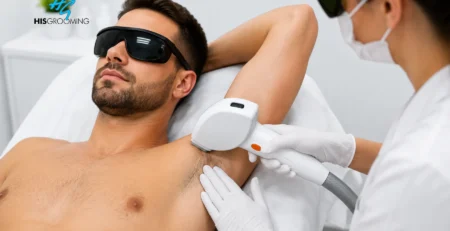
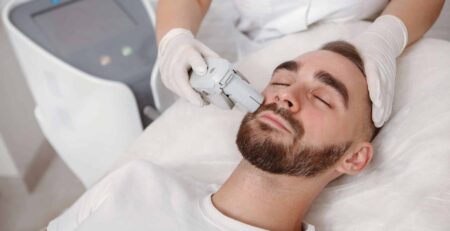
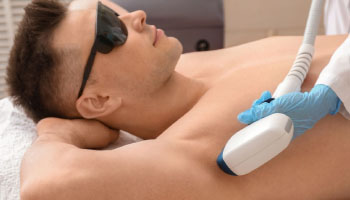
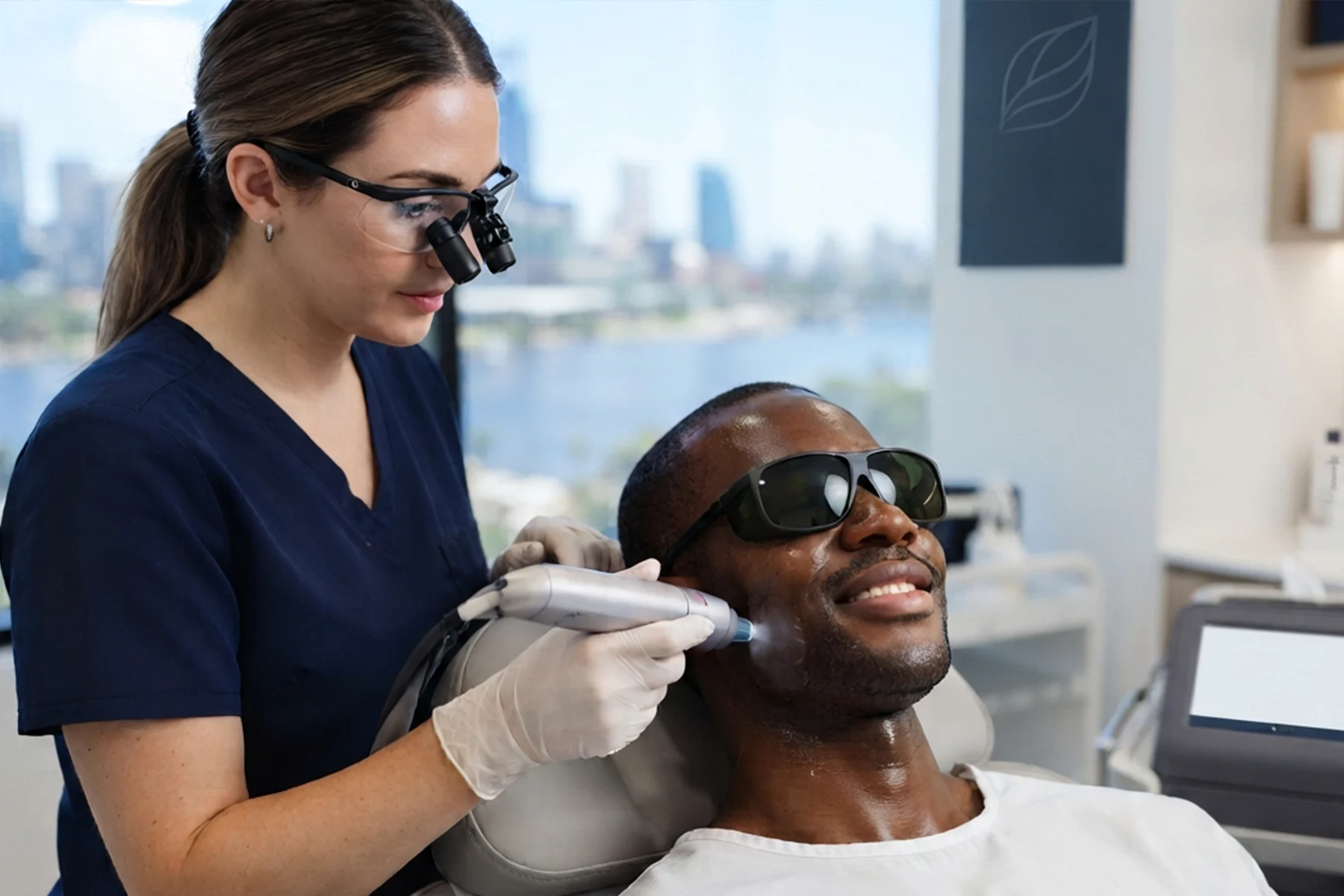
You’ll wear protective eyewear. The clinician cleans the area, applies cooling if needed, and fires the laser in small sections. You’ll hear a light clicking sound and feel a quick pulse as it moves across your skin.
Pain level and comfort
Most men describe the feeling as a rubber band flick or a hot pinprick. It’s tolerable, and it varies by area. Thick hair and sensitive spots like the neck and groin feel sharper. Built-in cooling makes a big difference, and Nd:YAG can feel more intense than other lasers for some men, so tell your clinician how you’re coping.
Session length by area
Times vary, but here’s a rough guide:
- Beard line and neck: 10 to 20 minutes
- Underarms: 10 to 15 minutes
- Chest or abdomen: 20 to 40 minutes
- Arms or legs: 30 to 60 minutes
- Full back and shoulders: 30 to 60 minutes
You can usually go straight back to work afterwards.
How to Care for Your Skin After Treatment
What you do in the days after a session affects how your skin heals.
First 48 hours
Expect mild redness and some small bumps around the follicles. Cool the area with a clean, cool compress if it feels warm. Skip hot showers, saunas, spa baths and heavy exercise for 24 to 48 hours.
Don’t scratch, pick or exfoliate. Your skin is healing.
Sun protection in Perth’s UV conditions
Perth’s UV index reaches extreme levels in summer. Treated skin is more sensitive, so cover up and use SPF 50+ every day on exposed areas, reapplying as you go. A hat and long sleeves help too.
Sun on freshly treated dark skin is the fastest way to end up with patchy pigment.
Products to use and avoid
Use a gentle moisturiser, aloe vera or a soothing cream your clinician recommends. Skip fragranced products, retinoids, strong acids, scrubs and anything with alcohol until your skin settles.
Getting back to training
Light movement is fine the next day. Wait 24 to 48 hours before intense gym sessions, hot yoga or swimming in chlorinated pools. Sweat and chlorine can irritate warm, treated skin.
How Many Sessions and How Much Does It Cost?
Honest answers here help you plan.
Typical number of sessions
Most men need around 6 to 8 sessions for good reduction. Dark skin often requires a more conservative setup, which can mean a few extra sessions. Hair on the back, chest and beard line may take longer to thin than hair on the legs.
Treatment spacing
Sessions are spaced 4 to 8 weeks apart, depending on the area. Hair grows in cycles, and the laser only works on hair in its active phase. Spacing sessions lets each round catch a new batch.
Price factors in Perth
Prices depend on:
- The size of the area
- The number of sessions
- The type of laser and its running costs
- The level of clinical expertise
- Whether you buy single sessions or a package
The cheapest quote often reflects a cheaper device or less experienced staff. Check current prices on the pricing page, and ask for a written quote at your consultation.
Package pricing and value
Packages usually cost less per session than single visits, and they keep you on schedule. Buy one only after your patch test, once you know your skin responds well. Ask what happens if you need extra sessions.
Common Myths About Laser Hair Removal on Dark Skin
Myth: Laser doesn’t work on dark skin. It does, as long as the clinic uses a laser designed for it.
Myth: All lasers are the same. They aren’t. Wavelength and pulse length decide how safely they treat dark skin.
Myth: It will always leave dark spots. Dark spots usually come from the wrong laser, wrong settings or tanned skin. Done properly, the risk is low.
Myth: It’s permanent forever. It’s long-term reduction. A few hairs can return, and top-up sessions deal with them.
Myth: Home devices work the same. Most home devices use IPL, which is a poor match for dark skin. They also run at lower power, so results are limited and burns are still possible.
Myth: Laser is only for vain men. Many men book it for ingrown hairs, skin irritation and comfort in sport. It’s a practical choice.
Frequently Asked Questions
Is laser hair removal safe for dark skin?
Yes, with the right laser and a trained clinician. A patch test and a conservative approach make it much safer.
Which laser is best for dark skin men?
The long-pulsed Nd:YAG (1064 nm) is the most common choice for Fitzpatrick types 4 to 6. Some diode lasers with long pulse settings also work. IPL and alexandrite carry more risk.
Does laser hair removal work on dark skin?
Yes. It works best on dark, coarse hair. Results depend on using the right laser.
How many sessions will I need?
Expect around 6 to 8, spaced 4 to 8 weeks apart. Your clinician will adjust the plan to your hair and skin.
Can I get laser treatment in summer in Perth?
Yes, if you avoid sun exposure and wear SPF 50+ daily. Tanned skin is a reason to delay a session. Many men prefer to start in autumn or winter.
Will it cause dark spots or scarring?
The risk is low when treatment is done correctly. Tanning, wrong settings and picking at treated skin are the usual causes. Men with a history of keloid scarring should say so at the consultation.
Does laser hair removal hurt?
It feels like a quick snap or hot pinprick. Cooling helps. Most men find it manageable.
Can I have laser on my beard line or neck?
Yes. The beard line and neck are popular areas, especially for men with razor bumps. Choose a clinician with experience here.
Is it permanent?
It delivers permanent reduction, not a guarantee of zero hair. Some fine hairs may return, and occasional top-ups keep things clear.
How do I book a discreet consultation?
Contact a clinic that specialises in men’s care and ask for a skin assessment and patch test first. You can book a laser consultation here.