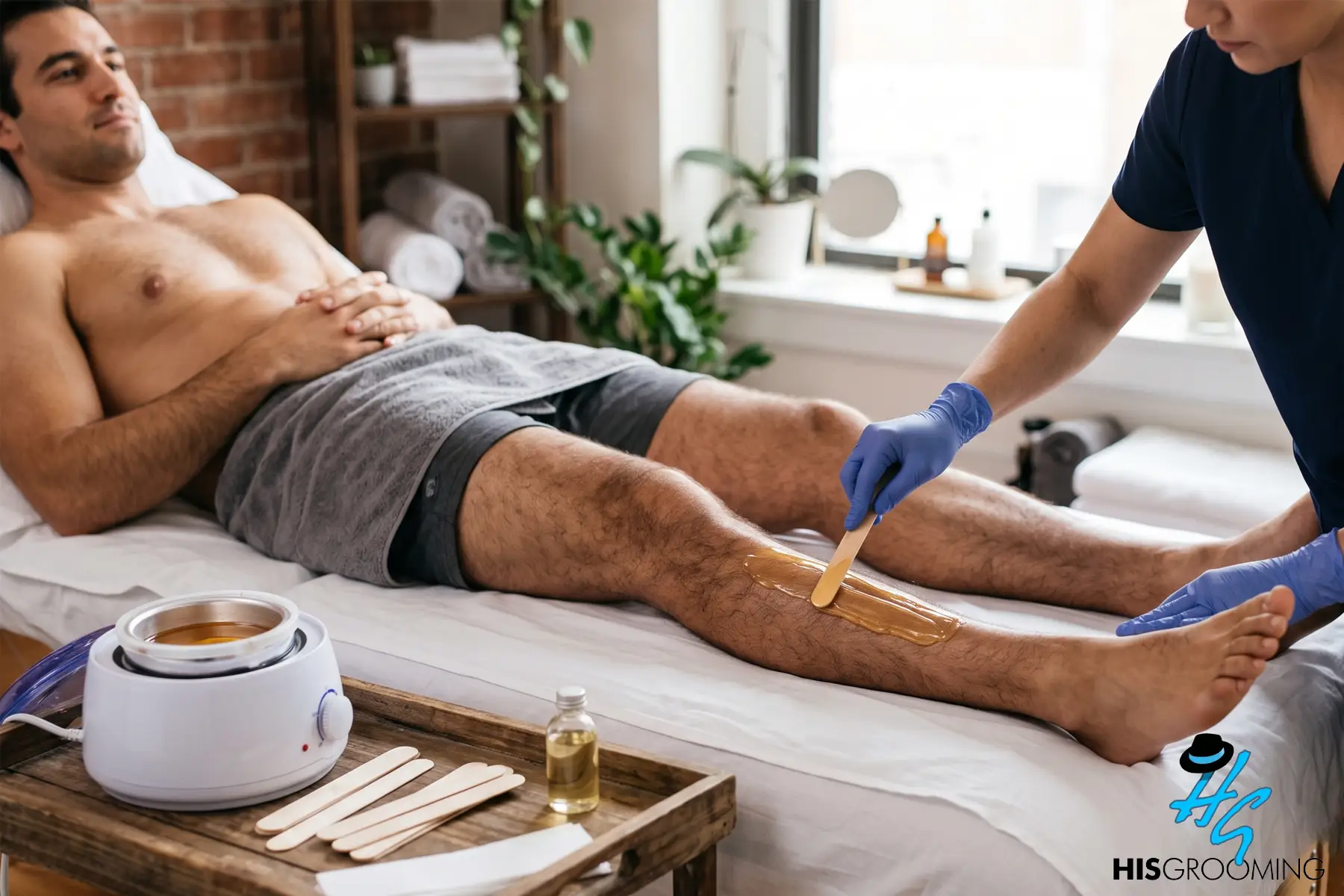
How Often Should Men Wax? The 4-6 Week Rule
Wax removes hair from the root, so it lasts longer than a shave and leaves skin smoother for weeks. But how often should men wax to get the best results without overdoing it? This guide breaks down the right schedule for every part of your body.
What Is Men’s Waxing?
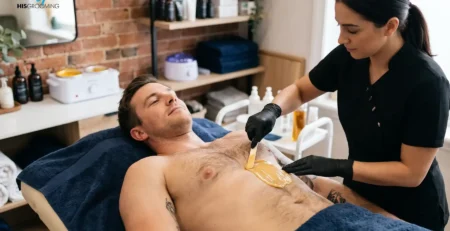
Waxing is a hair removal method that pulls hair out from the follicle instead of cutting it at the skin’s surface like a razor does. A therapist applies warm wax to the area, presses a strip on top, then removes it against the direction of hair growth. This takes the whole hair, root included, so regrowth is slower and finer than what you get from shaving.
Men book waxing services for the face, chest, back, arms, legs, underarms, and intimate areas. Some go for a single spot, others choose full body waxing to handle several areas in one appointment. Either way, the process works on the same principle: pull the hair from the root, and it takes weeks to grow back.
Compared to shaving, waxing gives you a cleaner finish and skips the daily razor routine. It’s become a normal part of grooming for a lot of men in Australia, not just a service for women.
Benefits of Waxing for Men
The biggest draw is how long the results last. A wax removes hair from the root, so you get hair-free skin for three to six weeks, depending on the area and your personal hair growth cycle. Shaving only lasts a day or two before stubble shows up again.
Regular waxing also changes how your hair grows back. Over time, hair follicles get weaker from repeated waxing, so regrowth tends to come in finer and thinner. Many men notice their hair is softer and less coarse after a few sessions, which makes the next wax less uncomfortable too.
Skin texture improves as well. Waxing removes dead skin cells along with the hair, which works like a form of exfoliation. That leaves skin smooth and can help reduce the razor bumps and irritation that come from daily shaving. For back hair specifically, some men notice these effects even faster. This post on back waxing benefits walks through what changes to expect within the first few weeks.
There’s a hygiene angle too. Less hair in areas like underarms or intimate areas means less trapped sweat and odour, which some men find makes a real difference to daily comfort. And there’s the polished look factor: smooth, groomed skin is part of a lot of men’s grooming game now, whether that’s for confidence, a partner’s preference, or just personal taste.
Waxing also cuts down on the time you spend shaving every day. Instead of five minutes with a razor each morning, you get weeks of low-maintenance, smooth skin after one waxing appointment.
How Often Should Men Wax?
The short answer: most men should book a wax every 4 to 6 weeks. This lines up with the natural hair growth cycle, where hair moves through three phases: growth, rest, and shedding. Waxing works best when hair is actively growing and long enough for the wax to grip it.
If you wax too soon, before hair has regrown enough, you risk missing shorter hairs that haven’t reached the surface yet. Wax too late, and you’re back to noticeably long, unruly hair that can make the session more painful than it needs to be. A 4 to 6 week rhythm keeps things consistent and reduces discomfort each time.
Your personal hair growth cycle plays a part too. Some men have faster-growing hair and need to book every 4 weeks. Others can stretch it to 6 weeks or longer before regrowth becomes noticeable. Genetics, hormones, and even the body area all affect this timeline.
The good news is that waxing frequency tends to drop over time. After several consistent sessions, hair follicles weaken, hair grows back finer, and some men find they can go longer between appointments. This is one of the main reasons people stick with regular waxing over shaving. It’s not just about the smooth skin between sessions, it’s about training the hair to grow back slower and thinner.
Your therapist can also help you dial in a schedule based on your hair type and how your skin reacts. Booking your next appointment before you leave the salon is a simple way to stay on track and avoid the awkward in-between stage where hair is too short to wax but too long to feel smooth.
Weather and lifestyle can shift your schedule slightly too. Summer months often mean more sweat and sun exposure, which can affect how skin reacts between sessions, while some men find their hair grows a touch slower during colder months. None of this changes the core rule of every 4 to 6 weeks, but it’s worth mentioning to your therapist if you notice your own pattern drifting outside that range.
Waxing Frequency by Body Area
Not every part of your body grows hair at the same rate, so your waxing schedule should change depending on the area.
Face (Eyebrows, Nose, Ears)
Facial hair, including eyebrows, nose hair, and ear hair, tends to grow back faster than hair on the body. Most men need to wax these areas every 3 to 4 weeks to keep things tidy. Eyebrow waxing in particular needs more frequent upkeep since stray hairs become noticeable quickly.
Chest and Back
Chest and back hair usually grows a bit slower, so a 4 to 6 week gap between sessions works well for most men. These are larger body areas, and coarse hair here can take a bit longer to reach a workable length. If you’re covering multiple regions, full body waxing sessions are worth considering, since they let you handle chest, back, arms, and legs on the same schedule.
Arms and Legs
Arm and leg hair also sits in the 4 to 6 week range. Hair here tends to be finer than chest or back hair, so a lot of men find these sessions more comfortable and see longer-lasting results.
Underarms
Underarm hair grows fast and the skin here is more sensitive, so most men wax every 3 to 4 weeks. Because this area sees more friction from movement and sweat, staying on top of your schedule helps avoid irritation and keeps things feeling clean.
Intimate Areas (Manzilian/Brazilian)
Intimate waxing, sometimes called a Manzilian or male Brazilian wax, calls for the shortest gap between appointments: roughly every 4 weeks. Pubic hair often grows faster than hair elsewhere on the body, and skin in this area is more delicate, so sticking to a routine matters. If you’re new to this style, this guide on male Brazilian waxing covers what a first appointment looks like and how to care for the area afterward.
Signs It’s Time to Wax Again
Rather than relying only on the calendar, watch your skin and hair for these signals that it’s time to book another appointment.
Hair Length Reaches 5mm (¼ Inch)
Wax grips hair best once it reaches about 5mm, or roughly a quarter inch. Once you notice hair at this length, it’s ready for waxing again. Any shorter, and the wax may not catch it properly.
Rough Skin Texture From Regrowth
As hair starts growing back in, you might feel a slightly rough or stubbly texture on the skin. This is a normal part of the growth cycle and a good indicator that your next session is approaching.
Increased Ingrown Hairs
If you start noticing more ingrown hairs than usual, it can be a sign that hair has grown long enough to curl back into the skin. Booking your wax before this happens helps keep skin clear and reduces the chance of irritation.
Upcoming Events or Occasions
If you have a holiday, wedding, or other event coming up, plan your wax about 2 to 3 days ahead. This gives any minor redness time to settle so your skin looks its best when it matters.
How to Prepare for Your Waxing Appointment
A bit of preparation goes a long way toward a smoother, more comfortable waxing session with better results.
Let Hair Grow to the Right Length
Before your appointment, let hair grow to at least 5mm. If it’s shorter, the wax won’t grip properly and you may need to reschedule. Avoid trimming or shaving in the days leading up to your appointment.
Exfoliate 2 to 3 Days Before
Light exfoliation a couple of days before your wax removes dead skin cells and helps loosen trapped hairs. This makes it easier for the wax to grab hair cleanly and can reduce ingrown hairs after your session. Avoid exfoliating on the day itself, since freshly scrubbed skin can be more sensitive to the wax.
Avoid Sun Exposure and Tanning
Sunburned or heavily tanned skin is more sensitive and prone to irritation during waxing. Skip sunbathing, tanning beds, and self-tanner for at least 24 to 48 hours before your appointment to keep your skin in good condition for the session.
Skip Lotions and Oils on the Day
Lotions, oils, and heavy moisturisers create a barrier between wax and hair, which weakens the wax’s grip. Arrive with clean, product-free skin so the wax can bond properly and remove hair cleanly on the first pass.
Aftercare Tips for Smooth, Irritation-Free Skin
What you do after your appointment matters just as much as how you prepare. Good aftercare keeps skin calm and helps you get the most out of each session.
Avoid Heat and Friction for 24 to 48 Hours
Skip hot showers, saunas, steam rooms, and intense workouts for a day or two after waxing. Heat and sweat can irritate freshly waxed skin and increase the risk of breakouts around open follicles. Loose clothing also helps reduce friction while skin settles.
Start Gentle Exfoliation After 3 Days
Once your skin has calmed down, usually around day three, light exfoliation helps prevent ingrown hairs by keeping dead skin cells from blocking the follicle as new hair starts to grow. Use a soft brush or gentle scrub rather than anything harsh.
Moisturise Daily With Non-Comedogenic Products
Keep skin hydrated with a non-comedogenic moisturiser, meaning one that won’t clog pores. This keeps skin healthy between sessions and can help hair grow back finer over time. Daily moisturising is one of the simplest habits for maintaining smooth, irritation-free skin.
Watch for Ingrown Hairs and Treat Early
Check treated areas over the following weeks for any signs of ingrown hairs. Catching them early with gentle exfoliation or a spot treatment stops them from turning into more noticeable bumps or infections. For a full rundown on managing this, this guide on post-waxing care tips covers products and routines worth adding to your aftercare.
Common Mistakes to Avoid
A few habits can undo the benefits of waxing or make your next appointment less comfortable than it needs to be.
Shaving Between Waxing Sessions
Picking up a razor between waxing appointments resets the hair growth cycle and can lead to patchy regrowth. It also means the wax has less to grip next time, since some hairs will be at different lengths. Stick to waxing only, and let hair grow out fully between sessions.
Waiting Too Long Between Appointments
While it’s tempting to stretch out the gap between sessions, waiting too long means longer, coarser hair that’s more painful to remove. It also disrupts the finer regrowth pattern that regular waxing builds over time. Try to book your next appointment within the 4 to 6 week window.
Skipping Aftercare Routines
Ignoring aftercare tips like avoiding heat, exfoliating gently, and moisturising can lead to more irritation and ingrown hairs. This undoes a lot of the benefit of your appointment and can leave skin looking worse rather than better.
Waxing Sunburned or Irritated Skin
Never wax over sunburned, broken, or already irritated skin. This increases the chance of pain, bruising, or damage to the skin’s surface, and most waxing services will decline to work on skin in this condition anyway.
DIY vs Professional Waxing: Which Is Right for You?
Deciding between a salon visit and doing it yourself comes down to the area, your comfort with the process, and how much you value convenience.
When to Book a Professional
For larger areas like the back, chest, or intimate areas, a professional is usually the better choice. These spots are hard to reach or see clearly, and a trained therapist can work faster with less discomfort and a lower risk of missed patches or uneven results. High-quality wax and technique also reduce irritation compared to a rushed DIY job. If you’re weighing up longer-term options for larger areas, it’s worth comparing this against laser hair removal, which some men choose once they’ve settled into a regular waxing routine and want a more permanent result.
Safe At-Home Waxing Tips
For smaller, easy-to-reach areas like eyebrows or arms, at-home waxing can work if you’re careful. Always do a small patch test first, follow the product instructions closely, and pull the strip against the direction of hair growth in one quick motion to minimize discomfort.
Tools and Products You’ll Need
At-home waxing kits typically include wax strips or wax that needs melting, along with pre and post-wax wipes. Stick to products made specifically for male skin and hair type where possible, since body hair tends to be thicker and more coarse than facial hair on the areas most men wax at home.
Cost and Time Commitment in Australia
Understanding the cost and time involved helps you plan a routine that fits your schedule and budget.
Typical Pricing by Area
Prices vary by salon and location, but as a general guide, eyebrow waxing tends to sit at the lower end, chest or back waxing sits in the mid-range, and full body waxing or intimate waxing sits toward the higher end due to the time and precision involved. It’s worth checking with your local waxing services provider for exact pricing, since rates differ across Australian cities.
How Long Each Session Takes
A single area like eyebrows or underarms might take 10 to 15 minutes. Chest or back waxing usually runs 20 to 30 minutes, while full body waxing sessions can take an hour or more depending on how many areas are covered.
Building a Sustainable Routine
Once you’ve settled on a schedule, usually every 4 to 6 weeks depending on the area, waxing becomes a manageable part of your grooming routine rather than a big time or money commitment. Many men book their next appointment before leaving the salon, which keeps the routine consistent and avoids gaps that lead to longer, more painful sessions.
Think of it as a simple monthly habit rather than something to overthink. Once you know your personal hair growth cycle and the pricing at your preferred salon, planning around it gets easy. Some men set a recurring reminder on their phone for every 4 weeks, while others just book the next slot on the way out, so it becomes part of the routine rather than an extra task to remember.
Frequently Asked Questions
Does Waxing Hurt for Men?
Yes, waxing involves some discomfort since hair is pulled from the root, but it’s brief and most men find it more manageable after their first couple of sessions. Pain tends to decrease over time as hair grows back finer and thinner.
How Long Does Smooth Skin Last After Waxing?
Most men enjoy long-lasting results for 3 to 6 weeks after a wax, compared to just a day or two after shaving. The exact timeline depends on the body area and your personal hair growth cycle.
Will Hair Grow Back Thicker If I Stop Waxing?
No, this is a common myth. Waxing doesn’t make hair grow back thicker. In fact, regular waxing tends to weaken the follicle over time, so hair grows back finer and slower, not thicker or faster.
Can I Wax If I Have Sensitive Skin?
Yes, but let your therapist know beforehand so they can choose a gentle, high-quality wax suited to sensitive skin. Patch testing and proper aftercare become even more important to avoid irritation.
How Do I Prevent Ingrown Hairs After Waxing?
Exfoliate gently a few days after your session, keep skin moisturised, and avoid tight clothing over freshly waxed areas. Catching early signs of ingrown hairs and treating them promptly also helps prevent them from becoming worse.
Should I Exfoliate Before or After Waxing?
Both, but with timing in mind. Exfoliate 2 to 3 days before your appointment to remove dead skin cells, then wait about 3 days after waxing before exfoliating again to avoid irritating freshly treated skin.
Is It Better to Wax in Winter or Summer?
Waxing works year-round, though many men prefer summer for smooth, hair-free skin at the beach or pool. Winter waxing is just as effective and gives skin more time to recover before it’s on display again.
How Many Waxing Sessions Until Hair Grows Back Finer?
Most men notice a difference after 3 to 6 consistent sessions, spaced 4 to 6 weeks apart. Hair typically comes back finer, thinner, and slower with each cycle as the follicle weakens.
Can I Swim or Exercise After a Wax?
It’s best to avoid swimming, saunas, and intense exercise for at least 24 to 48 hours after waxing. Sweat, chlorine, and friction can irritate freshly treated skin and raise the risk of breakouts.
What’s the Difference Between Hard Wax and Soft Wax for Men?
Hard wax is applied thick and removed without a strip, which makes it better suited to sensitive areas like intimate waxing or underarms since it grips hair without pulling as much on the skin. Soft wax uses a cloth strip and works well on larger, less sensitive areas like the back or legs, covering more ground per pass.