Diode Laser Hair Removal – Top Benefits for Men Explained
If you’re still shaving every few days or booking waxing appointments every few weeks, there’s a better option. Diode laser hair removal is one of the most effective ways to reduce body hair for good, and it’s built for men’s skin.
What Is Diode Laser Hair Removal?
Laser hair removal uses concentrated light energy to target and damage hair follicles, stopping or significantly reducing future growth. The diode laser specifically operates at a wavelength (typically 808–810 nm) that penetrates deeply into the skin to reach the follicle without harming the surrounding tissue.
Unlike older laser systems, diode technology is designed to work across a wider range of skin tones and hair types. It’s used clinically by trained practitioners and delivers results that no razor or wax strip can match over the long term.
Benefits of Diode Laser Hair Removal for Men
Men’s grooming has moved well beyond a quick shave. If you’re dealing with thick body hair on your back, chest, shoulders, or face, diode laser offers some clear advantages.
Long-lasting reduction with fewer regrowth cycles
After a full course of treatment, most men experience a significant and lasting reduction in hair growth. Each session targets follicles in the active growth phase, and over time the follicle becomes too damaged to produce hair. You’ll still need top-up sessions occasionally, but the days of daily shaving are largely behind you.
Smoother, bump-free skin compared to shaving or waxing
Shaving cuts hair at the surface, which leaves a sharp tip that can curl back into the skin. Waxing pulls from the root but doesn’t prevent regrowth. Diode laser targets the follicle itself, which means the skin between sessions stays smoother and less irritated.
Precision targeting of body, back, chest, and facial areas
The laser can be adjusted to treat almost any area with accuracy. From large zones like the back and chest to finer areas around the jawline or neckline, a trained practitioner can calibrate the settings to suit the specific body zone.
Reduced ingrown hairs and irritation
Diode laser hair removal for ingrown hairs is particularly effective. If you’re prone to razor bumps on your neck, chest, or bikini line, laser treatment reduces the hair that causes the problem in the first place.
Time and cost savings over the long term
The upfront cost of a treatment course is higher than a pack of razors, but when you factor in the time you’d spend shaving over months or years, plus the cost of blades, creams, and waxing appointments, laser often works out cheaper and far less time-consuming.
How Diode Laser Hair Removal Works
The diode laser emits light at a wavelength absorbed by melanin, the pigment in your hair. The light travels down the hair shaft and converts to heat inside the follicle. That heat damages the follicle’s ability to produce new hair, without burning the skin above it.
Most modern diode systems include a built-in cooling mechanism, either a chilled sapphire tip or a cold air attachment, that protects the skin surface during the pulse. Treatment is most effective on hairs in the anagen (active growth) phase, which is why multiple sessions are needed, since not all hairs are in the same phase at the same time.
Why Diode Laser Is Particularly Suitable for Men’s Skin
Effectiveness on coarse, dark hair common in men
Men typically have thicker, darker terminal hair on the body and face. Because the diode laser targets melanin, it performs extremely well on coarse, dark hair, which has a high melanin concentration. The more contrast between hair colour and skin tone, the more effectively the laser can focus its energy.
Compatibility with various skin tones found in Australia
Australia’s population includes a broad spectrum of skin tones, from very fair to very deep. Diode laser hair removal for dark skin is safe when the correct settings are used. Many diode systems are designed specifically to accommodate Fitzpatrick skin types I through VI, meaning practitioners can adjust fluence and pulse duration to protect deeper skin tones while still targeting the follicle.
Lower risk of hyperpigmentation with proper settings
Compared to older laser types and some IPL devices, diode lasers carry a lower risk of hyperpigmentation when operated correctly. This is because the wavelength is optimised to bypass the epidermal melanin and focus energy deeper in the follicle, particularly important for men with olive or darker skin.
What to Expect During a Treatment Session
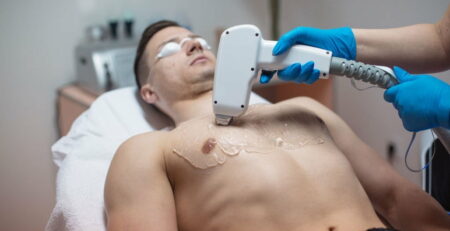
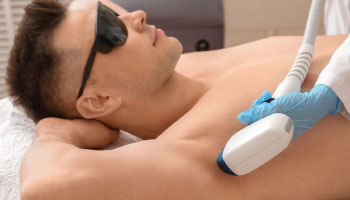
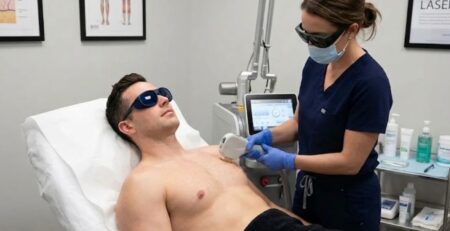
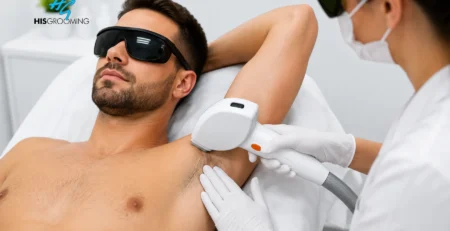
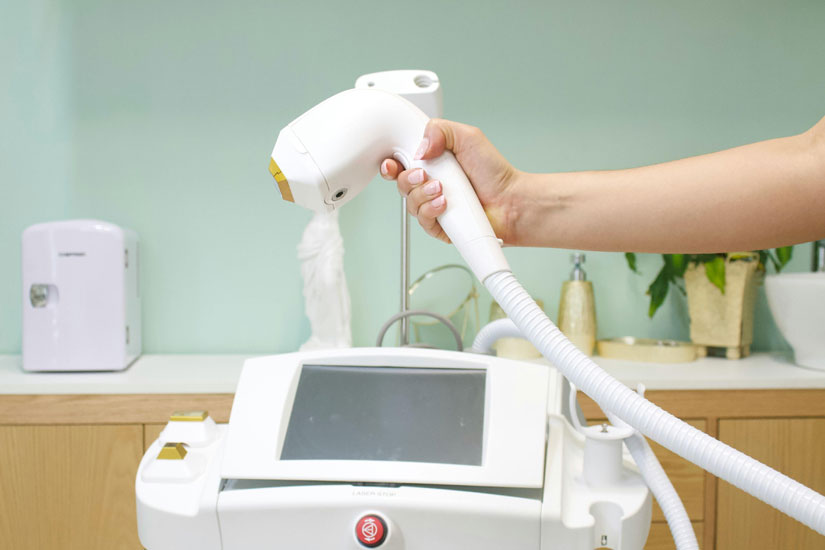
You’ll be asked to lie down or sit depending on the area being treated. The practitioner will pass the laser handpiece across the skin in overlapping sections, delivering pulses of light. Most people describe the sensation as a warm flick or snap, similar to a rubber band against the skin.
Sessions are relatively quick. A back can take 30 to 60 minutes; underarms or the upper lip might take under 10. The area may look slightly pink afterward, which usually fades within a few hours. You’ll walk out and get on with your day.
How to Prepare for Your First Diode Laser Session
Good preparation makes a real difference to your results and your safety.
Stop shaving or waxing for the recommended window
Your clinic will advise you on how long to stop waxing, plucking, or using depilatory creams before treatment, usually four to six weeks. These methods remove the hair root, which the laser needs to be present to target. Shaving is fine and often encouraged right before your session.
Avoid sun exposure and tanning before treatment
Tanned skin has more surface melanin, which increases the risk of burns or uneven results. Avoid sun exposure for at least two to four weeks before treatment. Self-tanning products and spray tans should also be avoided.
Arrive clean-shaven and free of lotions or fragrances
Shave the treatment area the day before or morning of your session. Remove any deodorant, moisturiser, or fragrance from the skin; these can interfere with the laser and increase the risk of irritation.
Disclose any medications or skin conditions
Some medications, including certain antibiotics and acne treatments, can make skin more photosensitive. Let your practitioner know about anything you’re taking so they can adjust the plan if needed.
Aftercare and Recovery Tips for Men
Recovery from a diode laser session is minimal, but a few habits will protect your skin and improve long-term results.
Soothing skincare and sun protection
Apply a gentle, fragrance-free moisturiser to the treated area after each session. Use SPF 30 or higher on any exposed treated skin for at least two weeks following treatment. Sun exposure can cause pigmentation changes on recently treated skin.
Avoiding gyms, saunas, and hot showers right after
Heat and sweat can irritate treated skin. Skip the gym, sauna, and hot showers for 24 to 48 hours post-treatment. Stick to lukewarm water and loose, breathable clothing on the treated area.
Watching for redness, swelling, and when to contact a professional
Some redness and mild swelling are normal and usually resolve within a few hours. If you notice blistering, significant swelling, or skin changes that persist beyond 48 hours, contact your clinic. Don’t try to treat unusual reactions yourself.
Safety, Side Effects, and When to Avoid Diode Laser
Typical mild side effects
The most common diode laser hair removal side effects are temporary redness and mild swelling at the treatment site. These are a normal skin response and typically resolve within hours. Some people notice the treated hairs appearing to grow or shed in the days following a session; this is part of the process.
Who should avoid it or proceed with caution
Diode laser is not suitable for everyone. People with active skin infections, open wounds, or certain conditions like vitiligo or keloid scarring should consult a dermatologist before proceeding. Pregnant women are generally advised to wait. Men with very light, fine, or grey hair may see limited results, since the laser targets melanin.
Importance of choosing a licensed, experienced clinic
Diode laser hair removal safety depends heavily on who operates the device. Ensure your clinic uses medical-grade equipment and that the practitioner is properly trained. In Australia, regulations around laser operation vary by state, so check that your provider meets the local standard.
How Many Sessions Are Needed and How Long Results Last
Most men need between six and eight sessions for body areas like the back, chest, or legs, and slightly more for facial areas where hormonal hair growth is more persistent. Sessions are spaced four to eight weeks apart to align with the hair growth cycle.
Results vary depending on hair colour, skin tone, hair density, and the body area. Darker, coarser hair responds fastest. After completing a course, many men are hair-free for years. Occasional maintenance sessions once or twice a year can keep results consistent if any regrowth occurs.
Comparing Diode Laser with Other Hair Removal Methods
Diode laser vs shaving
Diode laser hair removal vs shaving isn’t much of a contest in the long run. Shaving cuts hair at the surface and needs to be repeated daily or every few days. It causes irritation, razor burn, and ingrown hairs. Laser treats the follicle directly, reducing the need to shave at all after a full course.
Diode laser vs waxing
Waxing removes hair from the root but the follicle remains intact, so regrowth returns within three to four weeks. It’s also painful on larger body areas and can cause ingrown hairs and skin sensitivity. Laser progressively disables the follicle, so results improve with each session rather than just resetting the clock.
Diode laser vs IPL or other laser types
Diode laser vs IPL hair removal is a frequent comparison. IPL (Intense Pulsed Light) uses a broad spectrum of light rather than a single focused wavelength. It tends to be less precise, less effective on coarser hair, and less suitable for darker skin tones. Diode lasers offer better targeting, making them a preferred choice for clinical settings. Alexandrite and Nd:YAG lasers are also used, but diode is widely regarded as one of the most versatile options for mixed hair and skin types.
Why many men choose diode over at-home devices
At-home laser and IPL devices use much lower energy outputs than clinical machines for safety reasons. They take far longer to produce results, require far more frequent use, and often don’t work at all on darker or lighter skin. Clinical diode laser delivers results faster and more safely in the hands of a trained practitioner.
Choosing the Right Clinic and Practitioner in Australia
Checking qualifications, hygiene standards, and equipment
Look for a clinic that uses a recognised medical-grade diode laser device and employs qualified practitioners. Ask what training they’ve completed and whether they perform a patch test before your first full session. A reputable clinic will also have clear hygiene protocols, including single-use or sterilised handpiece tips.
Asking the right questions before booking
Before you book now, ask about the device they use, whether the consultation is free, how they handle any adverse reactions, and what the full treatment plan and cost will look like. A good clinic won’t pressure you and will take time to assess your skin and hair properly.
Reading reviews and viewing before-and-after photos
Check Google reviews and look for before-and-after photos from real clients, particularly men with similar skin tones and treatment areas. Consistent positive feedback and visible results are a stronger indicator of quality than promotional marketing alone.
Common Misconceptions About Diode Laser Hair Removal
“It’s only for women”
This couldn’t be further from the truth. Men make up a significant portion of laser hair removal clients, particularly for back, chest, shoulders, and facial areas. Clinics like His Grooming are specifically designed around male grooming needs.
“It’s unsafe for dark skin”
Modern diode lasers can be safely used on darker skin tones when settings are correctly adjusted by a trained practitioner. The key is choosing a clinic experienced with a range of Fitzpatrick skin types.
“It’s painful all over the body”
Pain levels vary by area and individual sensitivity. Most men find larger areas like the back manageable. Bony or sensitive zones can be more uncomfortable, but modern diode systems with integrated cooling significantly reduce discomfort.
“Results are instant”
Hair doesn’t disappear after one session. It sheds over the weeks following treatment as the follicle is damaged. Multiple sessions are required to catch follicles across all growth phases, and the cumulative effect builds with each treatment.
Frequently Asked Questions
What areas of the body can be treated with diode laser?
Most body areas are treatable, including the back, chest, shoulders, arms, legs, underarms, and bikini line. Facial laser hair removal for men is also common, covering the neck, cheeks, jawline, and upper lip, though the beard area requires careful assessment.
How painful is diode laser hair removal for men?
The pain level of diode laser hair removal varies by area. Most men describe it as a warm snap or sting. Areas with thinner skin or less fat coverage tend to feel sharper, but the built-in cooling on modern devices keeps discomfort manageable.
Is diode laser safe for darker Australian skin tones?
Yes, when performed by an experienced practitioner using appropriate settings. Diode laser hair removal for dark skin is a routine part of clinical practice at reputable clinics.
How long do the results last, and will hair grow back?
Diode laser hair removal long-term results are significant. Most clients see a 70 to 90 percent permanent reduction after a full course. Hormonal changes can trigger some regrowth, particularly on the face, which occasional maintenance sessions can address.
How long after treatment can I go to the gym or swim?
Wait 24 to 48 hours before heavy exercise, swimming, or saunas after each session to avoid irritating the treated skin.
Can I get diode laser on my face and beard area?
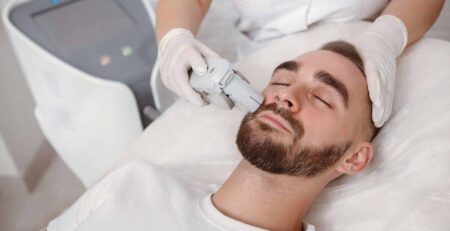
Yes. Facial laser hair removal for men is effective on the neck, cheeks, and upper lip. The beard line itself requires care to avoid removing hair you want to keep; a consultation will map out exactly where to treat.
How much does a diode laser session cost in Australia?
Diode laser hair removal cost in Australia varies by clinic and treatment area. Small areas like the upper lip may start around $50 to $80 per session; larger areas like the full back can range from $150 to $400 or more. Package deals across multiple sessions typically reduce the per-session cost.
Are there any long-term side effects?
When performed by a qualified practitioner, long-term side effects are rare. Temporary changes in pigmentation can occur but usually resolve. Permanent scarring is extremely uncommon and almost always linked to improper technique or device settings.
Why choose a clinic over home laser devices?
Clinical diode lasers operate at energy levels far higher than any home device, delivering faster and more reliable results. Practitioners also assess your skin type and adjust settings to minimise risk, something a home device can’t replicate.
How soon can I see noticeable results on my chest or back?
Most men notice visible thinning after two to three sessions. Full results for laser hair removal for men back and chest typically appear after six to eight sessions over several months.