Anti Pigmentation Facial Perth – What Men Need to Know
Dark spots don’t care how well you groom. If you’ve been noticing patches on your face and wondering what to actually do about them, an anti pigmentation facial in Perth is worth a serious look. Here’s what the treatment involves and whether it makes sense for your skin. Book now to get the conversation started.
What Is an Anti Pigmentation Facial?
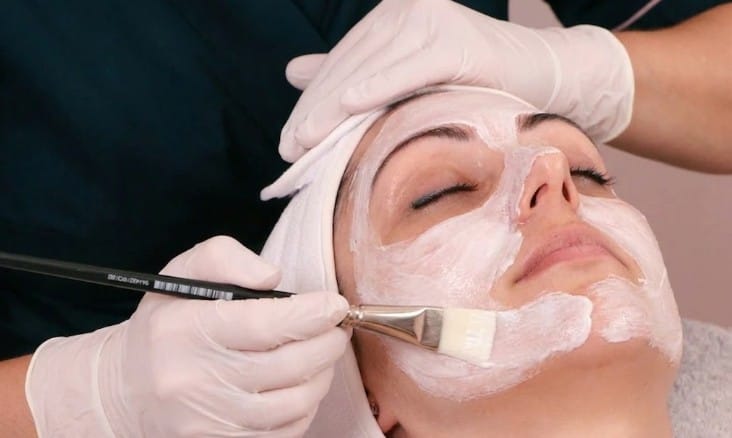
It’s not your standard spa facial. An anti pigmentation facial is a clinical skin treatment built specifically to reduce visible discolouration, whether that’s dark spots, uneven patches, or dull areas where excess melanin has built up in certain skin areas.
The difference from a regular facial is in the ingredients and approach. This one uses actives and, in some cases, light-based technology chosen to address your specific pigmentation concerns, not just clean and hydrate.
You can check out the full range of facial treatments at His Grooming to see where anti pigmentation options sit alongside other skin services made for men. The end goal is a more even complexion without a week of recovery.
Why Men Get Pigmentation
Men get pigmentation just as much as women. It just doesn’t get talked about as much.
A big part of it comes down to sun exposure. Most men spend more time outdoors and apply sun protection less consistently. That UV exposure accumulates over years and shows up as hyperpigmentation, freckles, and sun spots you didn’t notice forming.
Acne is another major trigger. When a pimple heals, it often leaves post-inflammatory hyperpigmentation behind. Those dark marks can stick around for months. Shaving doesn’t help either. Repeated skin trauma from daily shaving creates low-level skin inflammation that pushes melanin to the surface over time. If you have a darker skin tone, your skin is more reactive to this process. That’s just how melanin works in certain skin types.
Hormonal changes can play a role too, particularly in men with certain underlying health factors. The point is, pigmentation rarely has one single cause. Knowing what’s behind yours matters before you start any treatment.
Benefits of an Anti Pigmentation Facial
The most obvious result is a more even skin tone. Treatments target the dark spots, age spots, and patchy discolouration that come from sun damage, acne, or just time.
But there’s more to it than that. Most of these facials also improve skin texture and overall brightness. Many stimulate collagen production as part of the process, so you’re getting a layer of skin rejuvenation on top of the pigmentation work. For men who shave regularly, reducing post-inflammatory hyperpigmentation means fewer marks hanging around after the skin heals. Your face just looks cleaner and more consistent. Results come gradually across a few sessions, which is actually a good thing. The improvement looks natural, not sudden.
How the Treatment Works
Pigmentation happens when cells called melanocytes overproduce melanin. That excess pigment settles in the layers of the skin and shows up as darker patches or spots on the surface.
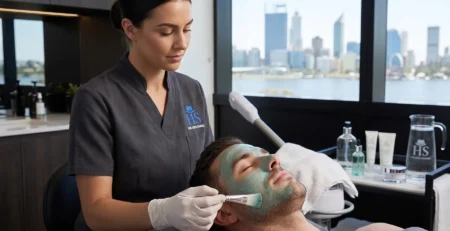
Treatment starts with a full cleanse to strip away oils and any product residue. Then a clinician applies active ingredients selected for your individual skin type. That typically means brightening agents like vitamin C, kojic acid, or niacinamide, all of which work to slow melanin production and gradually fade existing pigment.
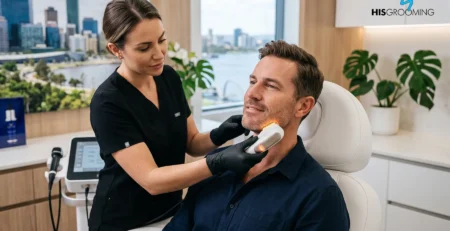
For deeper issues, some clinics bring in advanced laser technologies or intense pulsed light (IPL). These direct targeted energy into pigmented areas and break down the excess melanin so your body can clear it naturally. Tools like Q-switched Nd:YAG lasers are particularly useful for stubborn melasma or lentigines that don’t respond to topical products.
What you actually get in a session depends on factors including your skin type, the type and severity of your pigmentation, and how your skin has responded before. A good clinic tailors the approach to you.
Who It Is Best For
If you’ve got sun spots, post-acne dark spots, uneven skin tone from sun damage, or the early stages of age-related pigmentation, this treatment is worth considering.
It also works well as a starting point before moving to more intensive options like laser pigmentation removal or chemical peels. If your pigmentation is mild to moderate, a proper course of facials might be all you need.
Men with sensitive skin can still benefit. The clinician just adjusts the formulations accordingly. For deeper or more persistent pigmentation, including certain cases of melasma, you may eventually need laser treatment to get real results. A consultation with a registered medical practitioner or experienced clinician will give you a straight answer on which direction makes sense for your skin condition.
Types of Pigmentation Concerns
Pigmentation refers to changes in the colour of your skin caused by excess or reduced melanin. Several types show up commonly in men.
Sun Spots
These are the flat dark spots that develop on areas with ongoing sun exposure. Face, neck, hands. They come from cumulative UV damage and build up gradually. Sun protection slows new ones from forming, but you need active treatment to fade what’s already there.
Post-Acne Marks
Post-inflammatory hyperpigmentation (PIH) is the dark discolouration left behind after a pimple heals. Common in men who shave regularly because shaving is essentially repeated skin trauma. The marks are usually brown or reddish and can take months to clear without help.
Uneven Skin Tone
Uneven pigmentation across the face is often a mix of sun damage, minor scarring, and low-level inflammation. It creates an inconsistent skin colour that’s tough to shift with skincare products alone. Targeted treatment helps smooth things out.
Age-Related Pigmentation
Age spots tend to appear from your 40s onwards. They’re larger and more defined than freckles, and years of sun exposure are behind most of them. Pigmentation removal treatments can reduce them significantly.
What to Expect During Treatment
Skin Assessment
Your first appointment involves a proper look at your skin. The clinician checks your skin type, maps out where the pigmentation is, and asks about factors including sun exposure history, acne, and any previous treatments. That’s what shapes your personalised treatment plan.
Cleansing and Prep
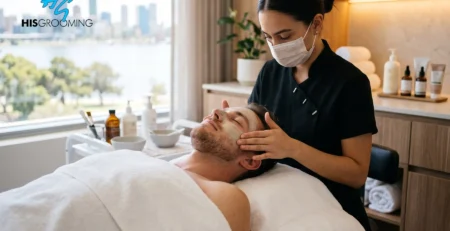
Before anything goes on your skin, it gets a thorough cleanse. Oils, product buildup, and surface debris need to come off so active ingredients can actually reach where they’re needed.
Active Treatment Steps
From there, the clinician applies what your individual skin assessment calls for. That might be targeted brightening serums, a mild chemical exfoliant, or a light-based treatment. If you’re dealing with deeper pigmentation, IPL or laser therapy directs specific wavelengths into the pigmented areas to break down excess melanin without affecting the surrounding skin.
Aftercare Advice
After the session, you’ll get specific instructions. Some redness or sensitivity right after is normal. You’ll be told to stay out of direct sun and apply broad-spectrum SPF every day. This part matters. Ignoring aftercare is the fastest way to undo the treatment.
How to Maximize Results
Daily Sunscreen Use
Non-negotiable. UV exposure drives pigmentation, and skipping SPF reverses your progress. SPF 30 or higher, every day, including overcast ones.
Skincare Routine Changes
What you do between sessions has a real impact. A solid men’s skincare routine matters. Vitamin C serum in the morning helps slow melanin production. At night, retinol or niacinamide supports skin renewal and helps fade existing dark spots over time.
Avoiding Common Triggers
Stop picking at your skin, especially active breakouts. Every time you aggravate a healing spot, you risk more post-inflammatory hyperpigmentation. Cut back on peak-UV outdoor time where you can.
Follow-Up Sessions
Anti pigmentation facials work cumulatively. Your clinician will set a schedule based on your pigmentation concerns. Skipping sessions because your skin looks better is a common mistake. The underlying issue likely isn’t fully resolved yet.
Anti Pigmentation Facial vs Other Options
Facials vs Chemical Peels
Chemical peels use stronger acids to remove the outer layers of the skin. They can tackle pigmentation faster but come with real downtime, especially at medium or deep strengths. Facials are gentler. If you can’t afford to look red and peeling for a few days, a facial is the smarter starting point.
Facials vs Laser Treatments
Laser pigmentation removal goes deeper than a facial can reach. It’s better for stubborn pigmentation, melasma, or spots that are dark and well-defined. The trade-offs are cost, more recovery time, and more specific aftercare. For mild-to-moderate pigmentation, a facial gives you a solid, lower-risk entry point.
When to Choose Each Option
Start with an anti pigmentation facial if your concerns are mild or if you haven’t tried clinical treatment before. Move to laser and peels if a full course of facials hasn’t shifted things, or if your pigmentation is deep and persistent from the start.
Aftercare Tips
The 48 hours after treatment matter most. Keep your skin cool, skip intense exercise, avoid direct sun, and hold off on hot showers.
Use a gentle moisturiser and SPF daily. Stay away from active ingredients like AHAs or retinol for three to five days post-treatment unless your clinician says otherwise. If your skin peels or flakes slightly, leave it alone. That’s skin renewal doing its job.
If your session involved IPL or laser, wear a hat outdoors and use SPF 50 for at least two weeks. Protecting treated skin from UV is the single most important thing you can do to keep your results.
Common Mistakes to Avoid
Skipping sunscreen is the biggest one. Even one day of unprotected sun exposure can spike melanin production and roll back recent progress.
Jumping back into strong actives too soon is another. Your skin needs time to settle after treatment. Retinol or acids applied too early cause irritation that can trigger more pigmentation. Not exactly the outcome you’re after.
And stopping sessions early because your skin looks better. Pigmentation treatment is cumulative. Pulling out too soon usually means the problem isn’t actually resolved, just quieter for now.
Picking or aggressively exfoliating between sessions is the last one worth flagging. Skin trauma feeds post-inflammatory hyperpigmentation. You’d be working against yourself.
Frequently Asked Questions
How many sessions do I need?
Most men need four to six sessions to see a meaningful reduction in pigmentation. Melasma or persistent hyperpigmentation may need more. Your clinician will give you an honest timeline at your consultation.
Is the treatment suitable for sensitive skin?
Yes. The clinician adjusts formulations based on what your skin can tolerate. Tell them upfront about any previous reactions to skincare or treatments.
Does it help with acne marks?
It does. Anti pigmentation facials are an effective treatment for post-inflammatory hyperpigmentation, including the dark marks left after acne heals.
How long do results last?
With consistent sun protection and a decent skincare routine, results can hold for six to twelve months. Without SPF, pigmentation often comes back within weeks.
Is there any downtime?
Minimal for a standard facial. Some redness or mild sensitivity for a day or two is normal. IPL or laser-based treatments may mean a few days of pinkness or light peeling.
Can I shave before or after treatment?
Avoid shaving on the day of your appointment. After treatment, give it at least 24 to 48 hours before shaving the treated area.
How soon will I see results?
Some men notice a brighter, more even skin tone after one or two sessions. Clear improvement in dark spots or uneven pigmentation usually becomes visible after three to four sessions.
Ready to do something about your pigmentation? Book now and speak with a clinician about what’s right for your skin.