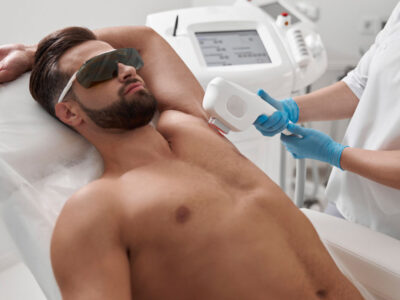
Most men don’t think much about hair removal until they’re tired of razor burn on their neck or embarrassed to take off their shirt at the beach. Shaving handles the basics, but it’s a daily commitment that delivers mediocre results. For men who want clean skin without the constant upkeep, waxing and laser hair treatment are worth understanding properly.
His Grooming in Peppermint Grove offers professional hair removal for men, covering everything from a quick chest wax to a full laser reduction course.
Professional Waxing Services for Men
Waxing pulls hair from the root rather than cutting it at skin level. That difference matters more than most people expect. Because the follicle is cleared rather than cut, regrowth takes 3 to 6 weeks instead of 2 to 3 days. Over repeated sessions, many men notice the hair returning finer and sparser each time.
The most commonly treated areas for men are the back, chest, shoulders, and arms. These spots are hard to maintain by yourself, especially the back and shoulders, and razors on those areas tend to leave patchy results or irritation. Waxing covers large surface areas in one session, which typically runs 15 to 45 minutes depending on the area.
The wax used at His Grooming is designed for coarse male hair and sensitive skin. Post-wax redness usually settles within a few hours. For most men, the discomfort is manageable and improves significantly after the first couple of sessions as the hair thins.
Laser Hair Removal: What the Results Actually Look Like
Laser hair removal works by targeting the pigment in each hair follicle with a concentrated beam of light. The heat damages the follicle enough to stop or significantly reduce future growth. It doesn’t work on all hair in one session because follicles cycle through active and dormant phases. You need to catch each follicle during its active growth phase, which is why multiple sessions are required.
Most men complete 6 to 8 sessions spaced 4 to 6 weeks apart. At the end of a full course, the typical result is 80% to 95% permanent hair reduction. Some follicles may regrow over time, particularly with hormonal changes, but the overall reduction is significant and lasting.
The technology works most reliably on dark hair against lighter skin tones. However, newer diode laser systems have expanded the treatable range of skin tones considerably. During a consultation, your hair and skin type are assessed honestly so you know what kind of result to expect before committing to a course.
 Which Areas Men Actually Treat Most
Back and Shoulders
Back and shoulder hair removal is the most requested service by a wide margin. Men with dense back hair often find it affects how comfortable they feel at the pool, beach, or gym. This area is also the one where self-maintenance is genuinely impossible, so it’s the clearest case for professional treatment.
Chest Hair Removal
Chest hair removal is more of a personal preference call. Some men want full removal for a clean look; others prefer shaping or thinning. Both goals are achievable. Defined chest hair removal is a popular choice among men who train regularly and want their physique to look its best.
Facial Hair Shaping
Facial shaping includes the neck, cheek lines, and the area between the eyebrows. If you have a beard, keeping the edges clean makes a real difference to how groomed you look overall. Laser works well on the neck in particular, removing the need for frequent touch-ups between barbershop visits.
Other Common Areas
Other regularly treated areas include the underarms, arms, legs, and intimate areas. All treatments are performed in a private room. The approach throughout is professional and straightforward.
What to Expect at Your Appointment
Your first appointment starts with a short consultation. We look at your skin type, hair colour and density, and talk through your goals. For waxing, that usually takes five minutes. For laser, we take a bit more time to walk through realistic expectations, the number of sessions you’re likely to need, and any skin considerations.
Waxing sessions are relatively quick. The area is cleaned and prepped, warm wax is applied and removed, and a soothing product is used to calm the skin afterward. Most men find the experience much more manageable than they expected.
Laser sessions involve a cooling gel applied to the skin before the handheld device is used. The sensation is typically described as a sharp flick against the skin. It’s brief and tolerable for most people. Session time varies from about 10 minutes for a smaller area like the underarms to around 60 minutes for the full back and shoulders.
Aftercare That Actually Matters
For 24 hours after waxing, avoid hot showers, saunas, and direct sun exposure. Your skin is more reactive immediately after treatment. Wearing loose clothing over treated areas helps, especially after a chest or back wax.
After laser sessions, sun protection is non-negotiable for the treated area. Use SPF 50 on exposed skin for at least two weeks post-treatment. Treated hairs shed naturally over 1 to 3 weeks. Don’t try to speed that up by picking or scrubbing.
Booking your follow-up session before you leave the clinic is worth doing. Spacing sessions correctly is one of the biggest factors in how good your laser results will be. Letting gaps stretch out too long disrupts the follicle cycle coverage.
Frequently Asked Questions
Most men need 6 to 8 sessions for the back, spaced 4 to 6 weeks apart. The exact number depends on hair density and colour. Coarser, darker hair typically responds faster, so some men see strong results by session 5 or 6. Your consultant will give you a realistic estimate after looking at your skin and hair type in person.
Yes. Newer diode laser technology has significantly expanded the range of treatable skin tones compared to older systems. During your consultation, your skin tone is assessed properly and the device settings are adjusted accordingly. We’ll be upfront if a particular area is not suitable for laser at this stage.
Both remove hair from the root, but they use different substances and application methods. Waxing uses a resin-based product applied warm, then removed with a strip or hardened. Sugaring uses a water-soluble paste applied at room temperature and removed in the direction of hair growth, which can reduce breakage and irritation for some skin types. His Grooming uses professional wax formulated for male skin and hair texture.
It’s generally recommended to wait 24 to 48 hours before intense exercise after a laser session. Sweating over freshly treated skin can irritate the follicles and increase the risk of reaction. Light activity is usually fine sooner, but give the treated area time to settle before a heavy training session.
Yes. Hair needs to be at least 5mm long, roughly 2 to 3 weeks of growth after shaving, for wax to grip it properly. If the hair is too short, the wax can’t remove it cleanly and you’ll end up with patchy results. If you’ve been shaving regularly, hold off for at least two weeks before your first wax appointment.
The sensation varies by area and individual pain tolerance. Most men describe it as a quick snap against the skin, similar to a rubber band flick. Areas with thinner skin or closer proximity to bone, like the upper lip or underarms, tend to be more sensitive. The handheld device used at His Grooming includes a cooling function that reduces discomfort during treatment.
No. Waxing removes the hair root, which is exactly what laser needs to target. If you’re undergoing laser treatment, you need to shave between sessions, not wax. Waxing in the weeks before a laser session will reduce its effectiveness. Your treatment plan will make this clear from the start.
Booking a few days ahead is usually enough for waxing. For laser, it’s worth booking your full course of sessions in advance so the spacing stays consistent. Irregular gaps between laser sessions reduce the overall outcome, so locking in your schedule early makes a practical difference to your results.
Book Your Appointment
You can book a waxing or laser hair treatment appointment directly through the His Grooming website. If you’re not sure which treatment suits your goals, a consultation will give you a clear picture before you commit to anything.